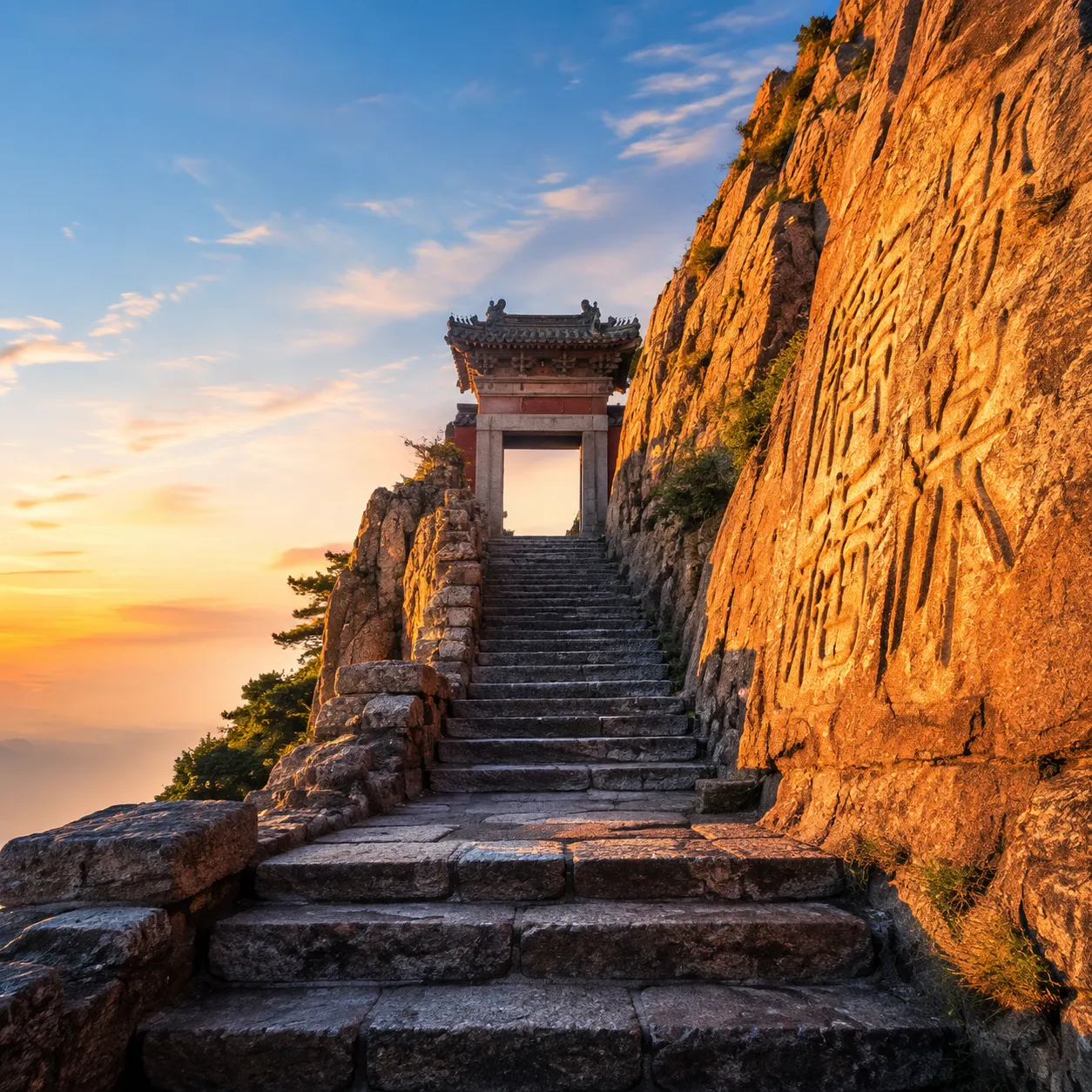
Photo: Chinese Mountains
Mount Tai
Tai Shan
The most sacred mountain — climbed by emperors for 3,000 years
About Mount Tai
Mount Tai may not be the tallest mountain in China, but culturally nothing compares. It is an open-air museum with stone inscriptions, ancient temples, and sacred gates along the 6,660-step ascent to Jade Emperor Peak.
Mountain Facts
Cultural Significance
The most revered of the Five Great Mountains. For 3,000 years, emperors performed rituals here.
Highlights
- • Jade Emperor Peak (1545m)
- • Dai Temple
- • The 6,660-step stairway
- • Sunrise at Riguan Peak
- • Ancient stone inscriptions
When to Go
Spring (April to May): The best season for hiking. Temperatures 10-25 C, peach blossoms bloom on the lower slopes, and the stairway is pleasantly busy. Book hotels 2-3 weeks ahead. Summer (June to August): Hot and humid (25-35 C). The climb is sweaty and the summit can be hazy, reducing sunrise visibility. However, summer is the season for the classic 'night climb' — thousands start hiking at 10-11 PM to reach the summit by dawn. The trail is lit and vendors are open all night. This communal experience transforms the climb into a pilgrimage. Autumn (September to November): The second-best season. September offers lingering warmth with fewer crowds. October brings crisp air and the best visibility — but Golden Week (Oct 1-7) must be avoided. November is cold (0-10 C) but nearly empty. Winter (December to February): Snow-covered and silent. Jade Emperor Peak under snow is beautiful and you may have the summit nearly to yourself. The stairway can be icy — microspikes are essential. Some summit facilities close. Temperatures at the peak drop to -15 C at night.
How to Get There
By Train: High-speed trains to Tai'an Station from Beijing South (2h), Shanghai Hongqiao (3.5h), Jinan (20 min), and most cities on the Beijing-Shanghai line. From the station, bus K3 (CNY 2, 30 min) or taxi (approximately CNY 30) to the mountain base. Tai'an city is literally at the foot of the mountain — you can see the summit from the train station. Climbing Routes: The classic route starts at Hongmen — 6,666 stone steps climbing 1,350m over 9.5km. This 4-6 hour route passes through all historically significant gates and inscriptions. The easier option: Tianwai Village shuttle bus (CNY 30) to Zhongtianmen at 847m, then either hike the remaining 2.5 hours or take the cable car (CNY 100 one way, 8 minutes). Entry Fee: Peak season (February-November) CNY 125, off-peak (December-January) CNY 100. Cable car: CNY 100 one way. Shuttle bus: CNY 30 each way.
Frequently Asked Questions
How long does it take to climb Mount Tai? +
Should I climb Mount Tai at night? +
What is the cultural significance of Mount Tai? +
How difficult is Mount Tai for beginners? +
Can I stay overnight on the summit of Mount Tai? +
What is the best time of year to climb Mount Tai? +
You May Also Like
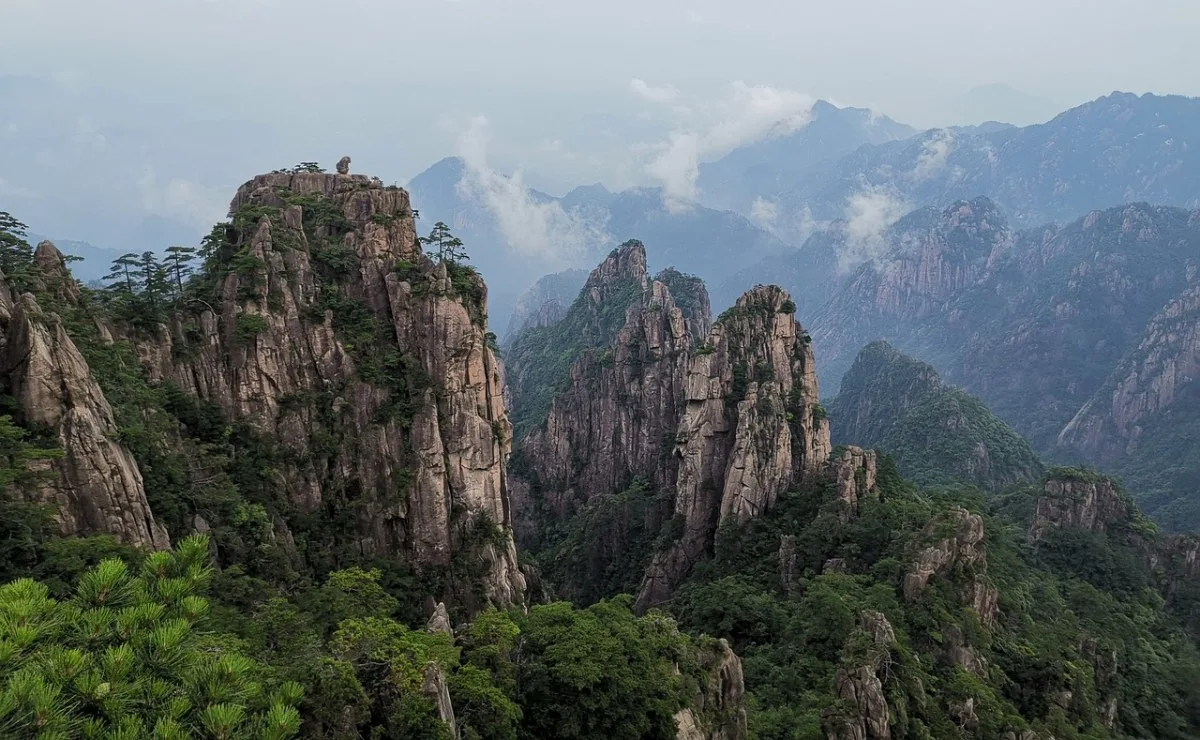
Mount Huangshan
Huang Shan · Anhui
China's most iconic peaks — sea of clouds and granite spires
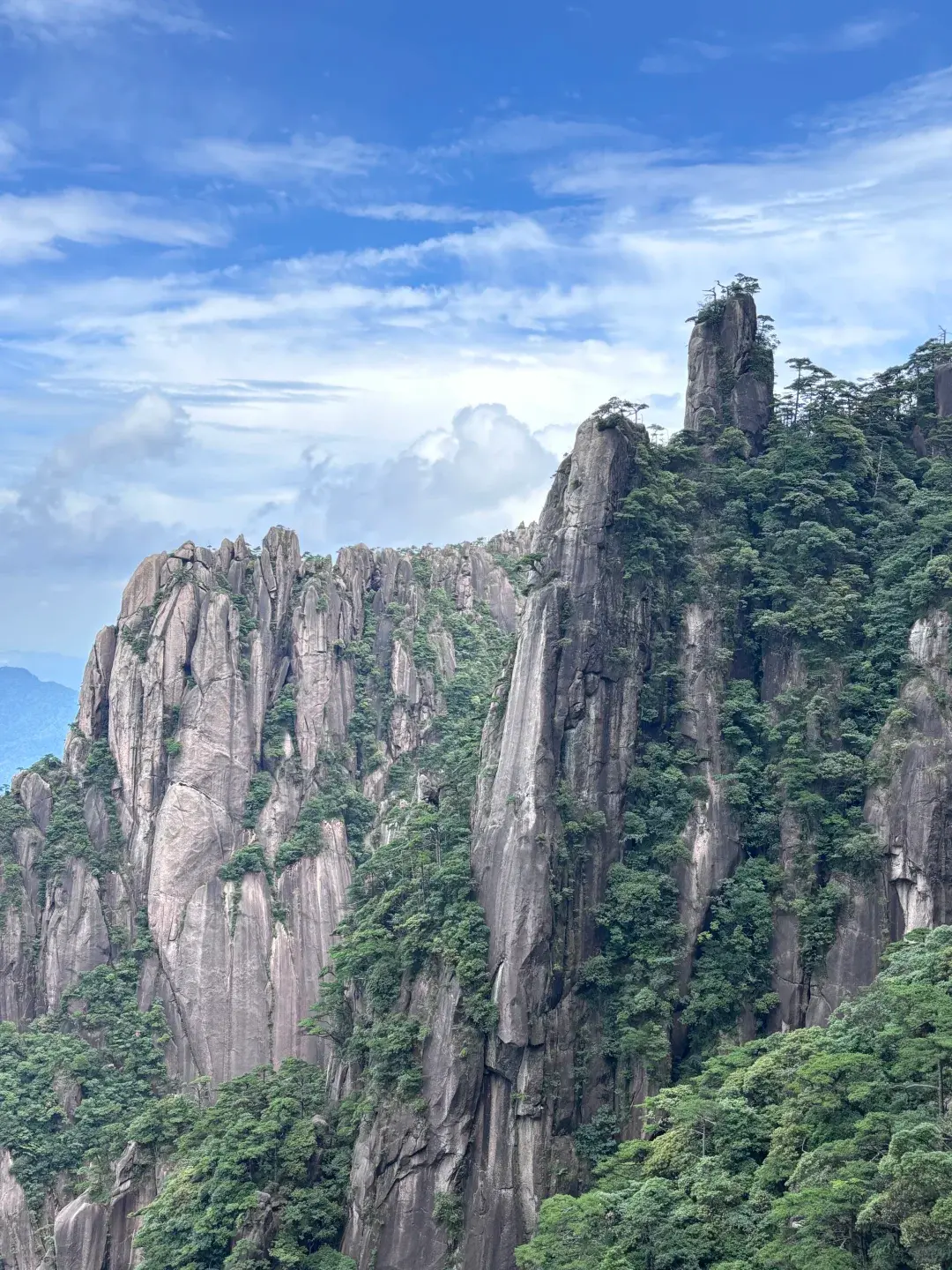
Mount Sanqing
Sanqing Shan · Jiangxi
A quieter Huangshan — granite peaks without the crowds
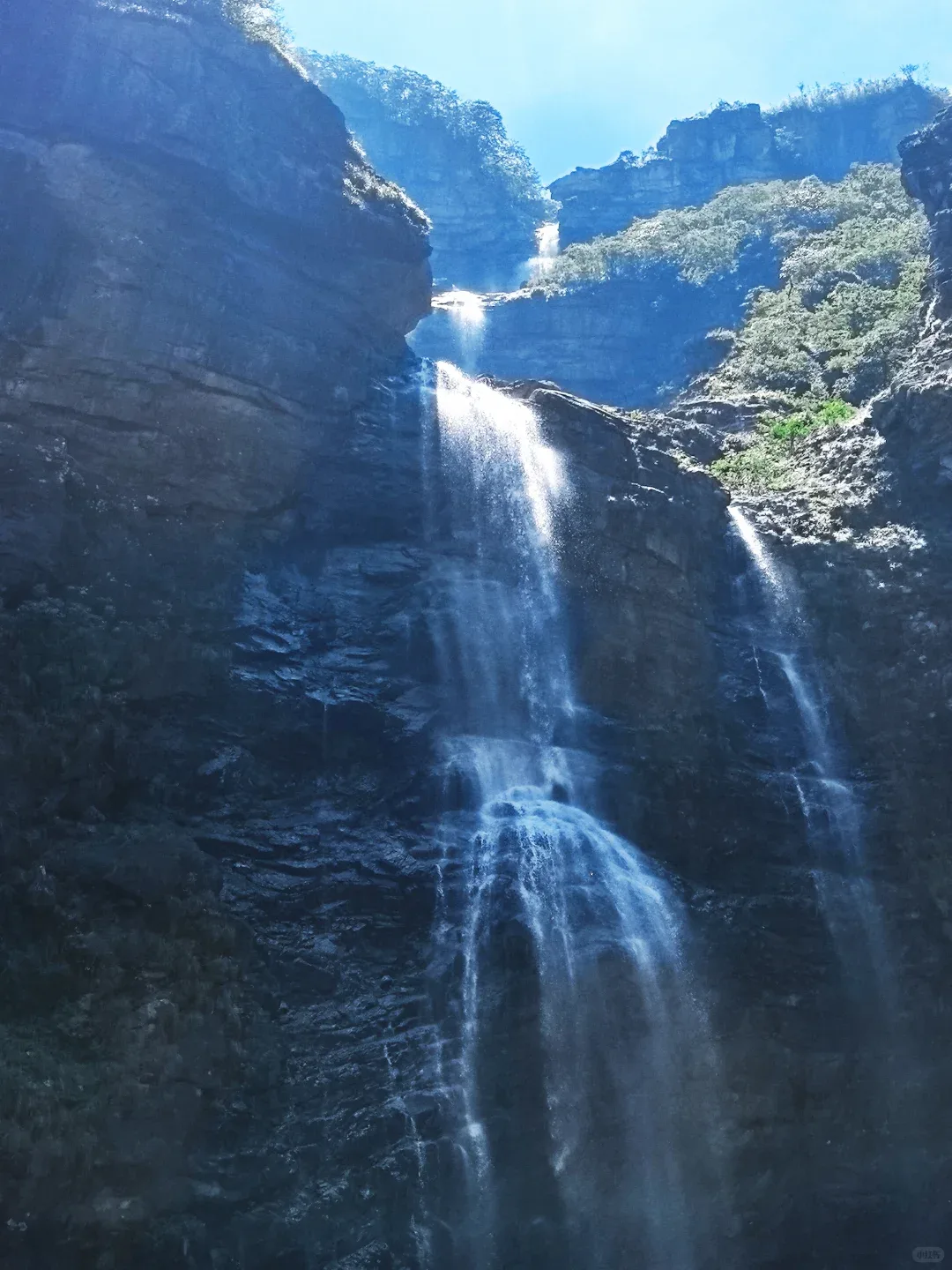
Mount Lushan
Lu Shan · Jiangxi
The mountain of poets, mist, and colonial villas — 1,500 years of inspiration