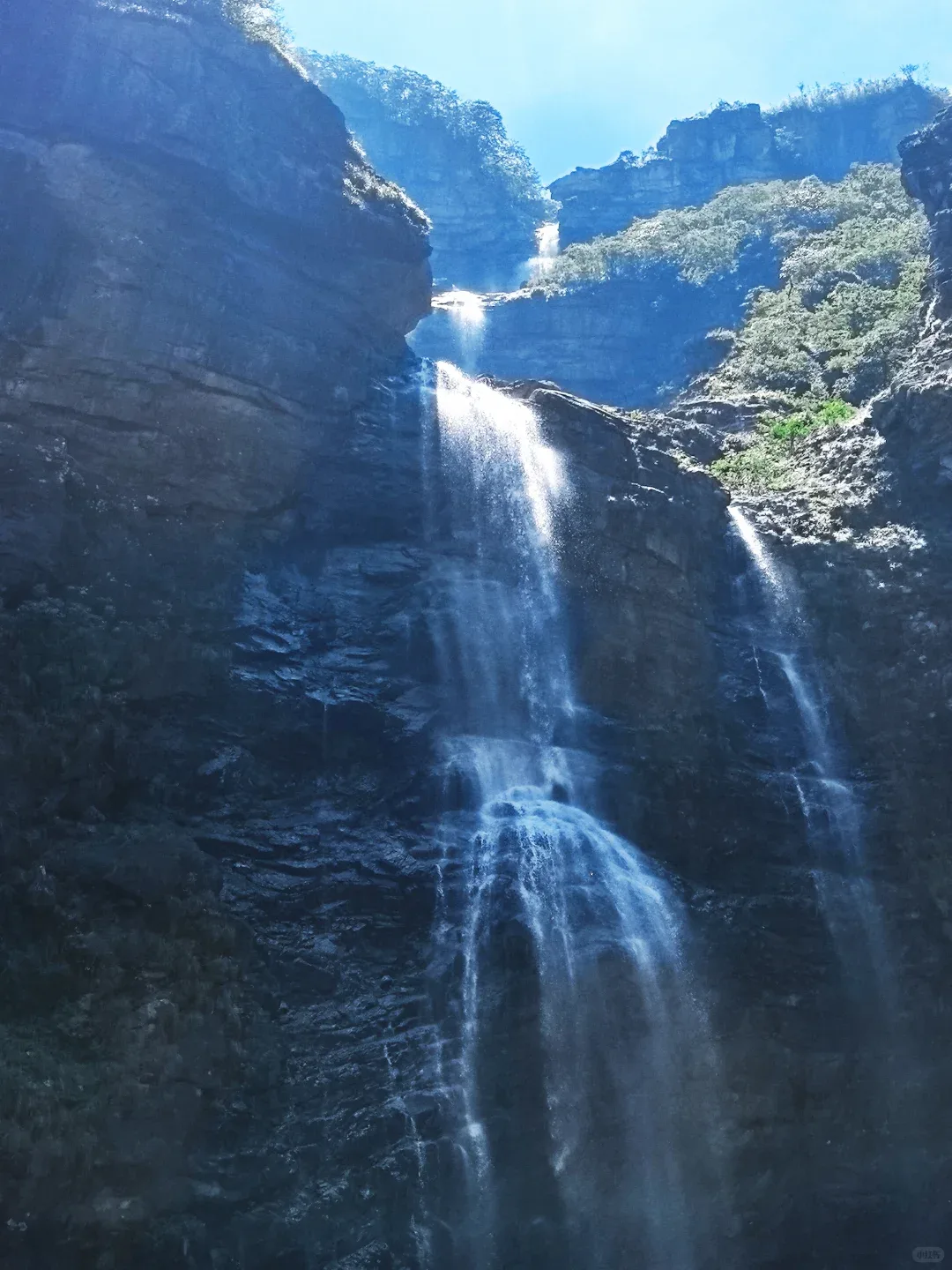
Photo: Chinese Mountains
Mount Lushan
Lu Shan
The mountain of poets, mist, and colonial villas — 1,500 years of inspiration
About Mount Lushan
Mount Lushan is not the tallest or most dramatic peak in China — but it may be the most culturally saturated. Over 4,000 poems and essays have been written about its misty landscapes by figures like Li Bai, Su Shi, and Tao Yuanming. In the early 20th century, Western missionaries and diplomats built hundreds of stone villas on its slopes, creating a unique architectural fusion now protected as part of the UNESCO cultural landscape. Today it is equal parts hiking destination, literary pilgrimage, and summer retreat from Jiangxi’s notorious heat.
Mountain Facts
Cultural Significance
A UNESCO Cultural Landscape — over 1,500 years of Chinese poetry, painting, and philosophy inspired by Lushan’s mist-shrouded peaks. Hundreds of villas from the colonial era line its slopes.
Highlights
- • Three-Step Waterfall (Sandiequan) — 155m cascade in three tiers
- • Guling Town, a European-style mountain resort at 1,100m
- • Hanpo Pass sunrise overlooking Poyang Lake and the Yangtze
- • Lushan Botanical Garden with 3,400+ plant species
- • White Deer Grotto Academy, one of China’s Four Great Academies
When to Go
April-May: Azaleas bloom, temperatures 15-25 C, and the famous mist hangs in the valleys until mid-morning. September-October: Clear autumn skies, comfortable hiking temperatures, and fall foliage. July-August: Hot and humid below 800m but pleasant on the mountain, making Lushan a popular summer escape. The mountain is accessible year-round with occasional winter closures during heavy snow.
How to Get There
High-speed train to Jiujiang Station (4 hours from Shanghai, 5 from Beijing, 2.5 from Wuhan). From Jiujiang, buses run to the Lushan ticket office (1 hour), then shuttle buses climb the winding mountain road to Guling Town. Alternatively, drive directly to Guling Town via the mountain road. A park shuttle bus connects all major sites within the scenic area.
Frequently Asked Questions
Why is Lushan called ‘the mountain of poets’? +
What makes Lushan different from other Chinese mountains? +
How difficult is hiking at Lushan? +
Can I stay overnight on Lushan? +
Is Lushan good for photography? +
How does Lushan compare to Huangshan? +
What should I eat on Lushan? +
You May Also Like
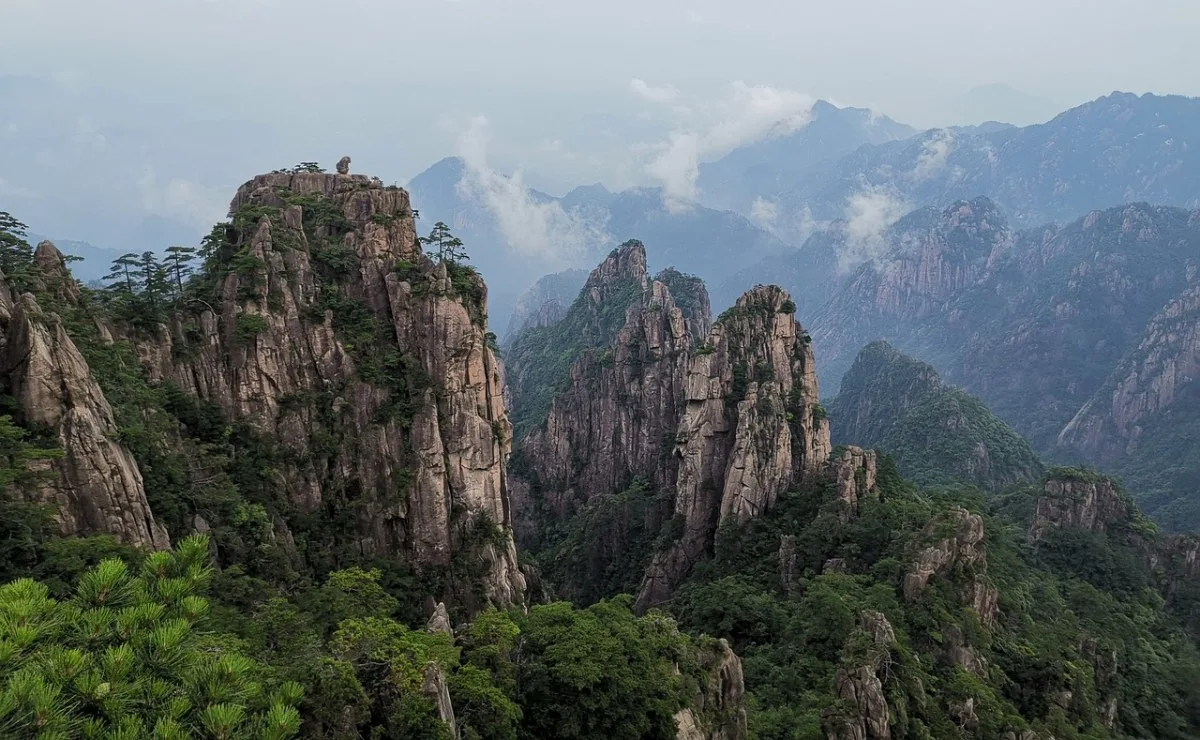
Mount Huangshan
Huang Shan · Anhui
China's most iconic peaks — sea of clouds and granite spires
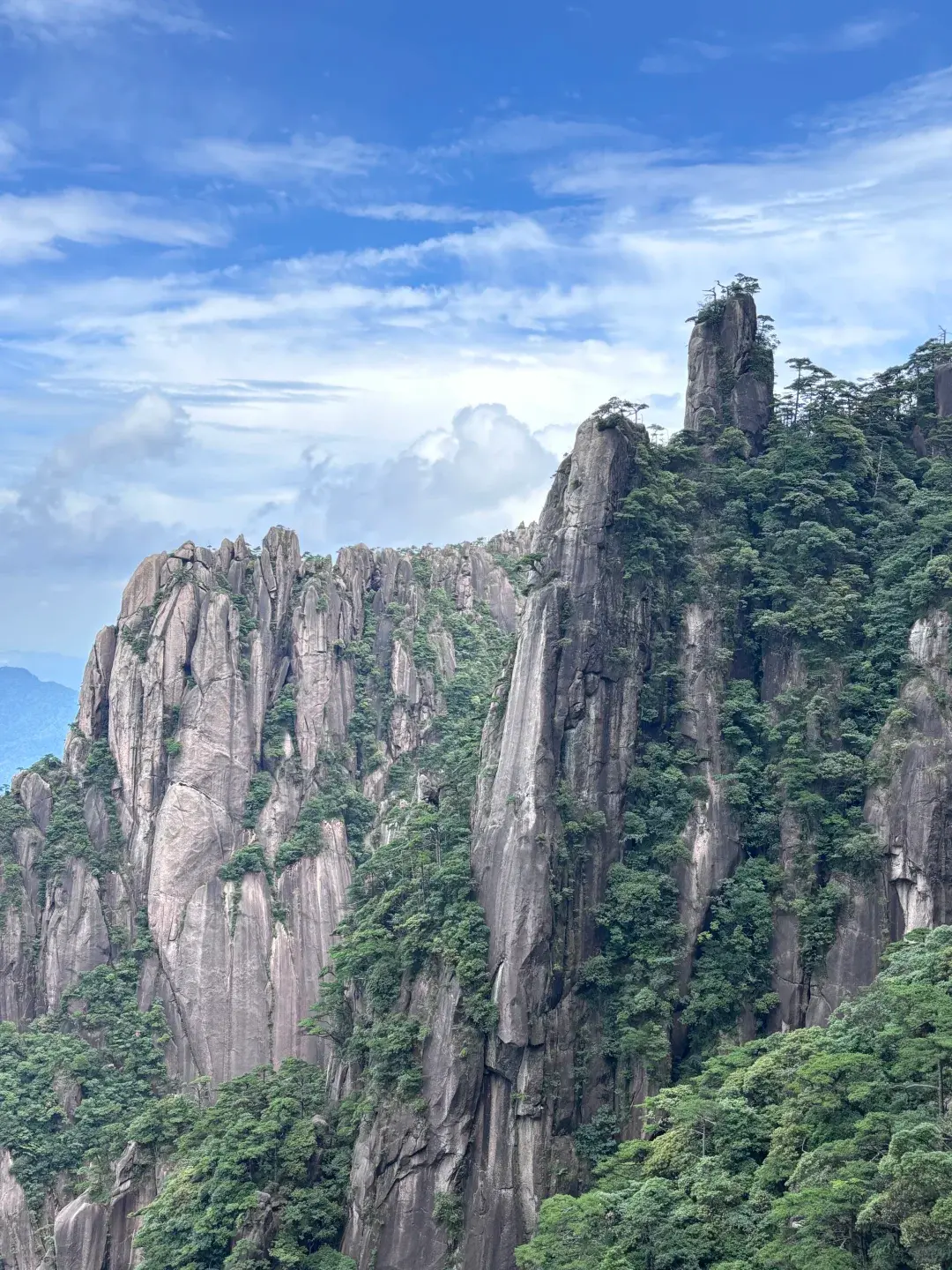
Mount Sanqing
Sanqing Shan · Jiangxi
A quieter Huangshan — granite peaks without the crowds
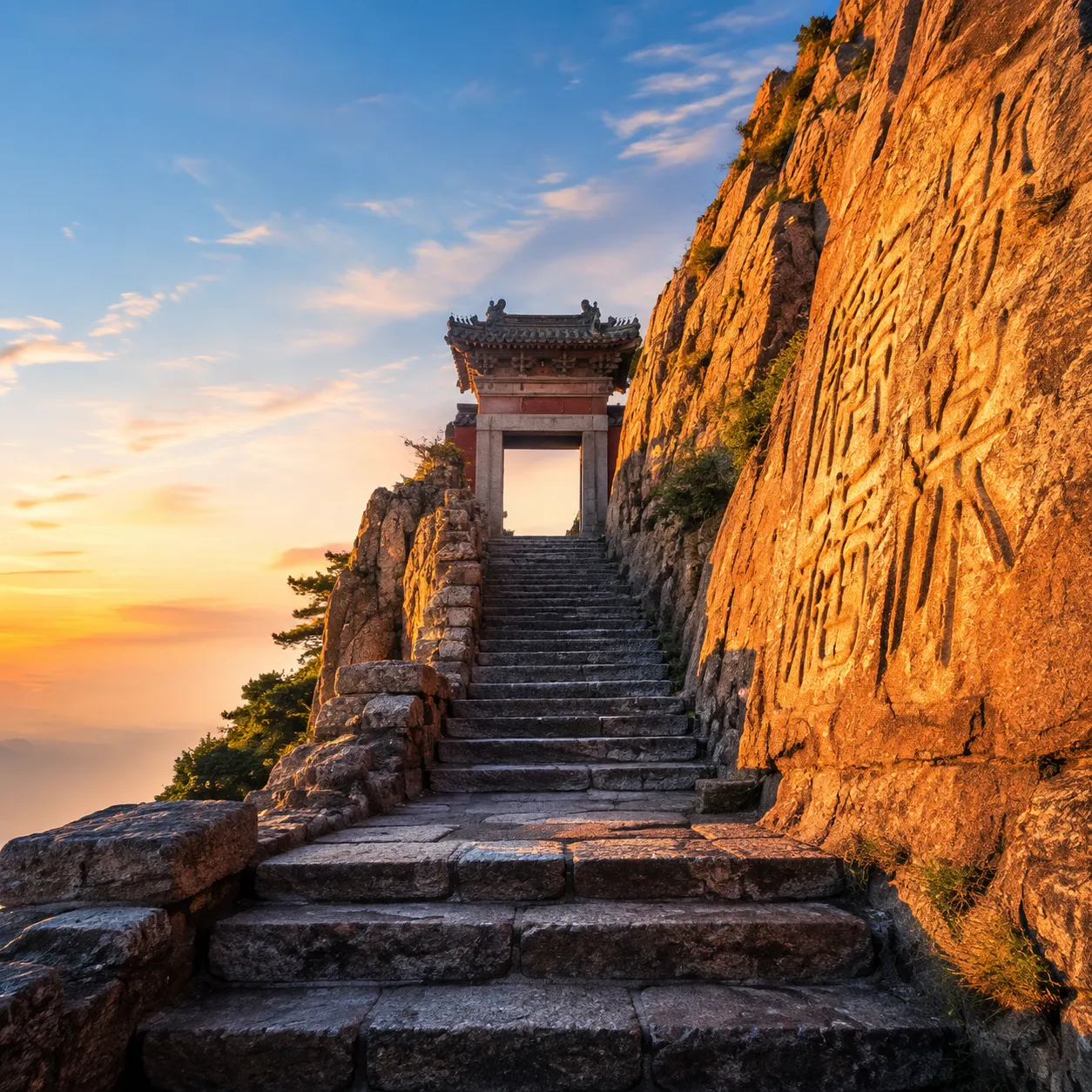
Mount Tai
Tai Shan · Shandong
The most sacred mountain — climbed by emperors for 3,000 years