Photo: Chinese Mountains
Haba Snow Mountain
Haba Xue Shan
Accessible 5,396m peak — the perfect first Himalayan climb
About Haba Snow Mountain
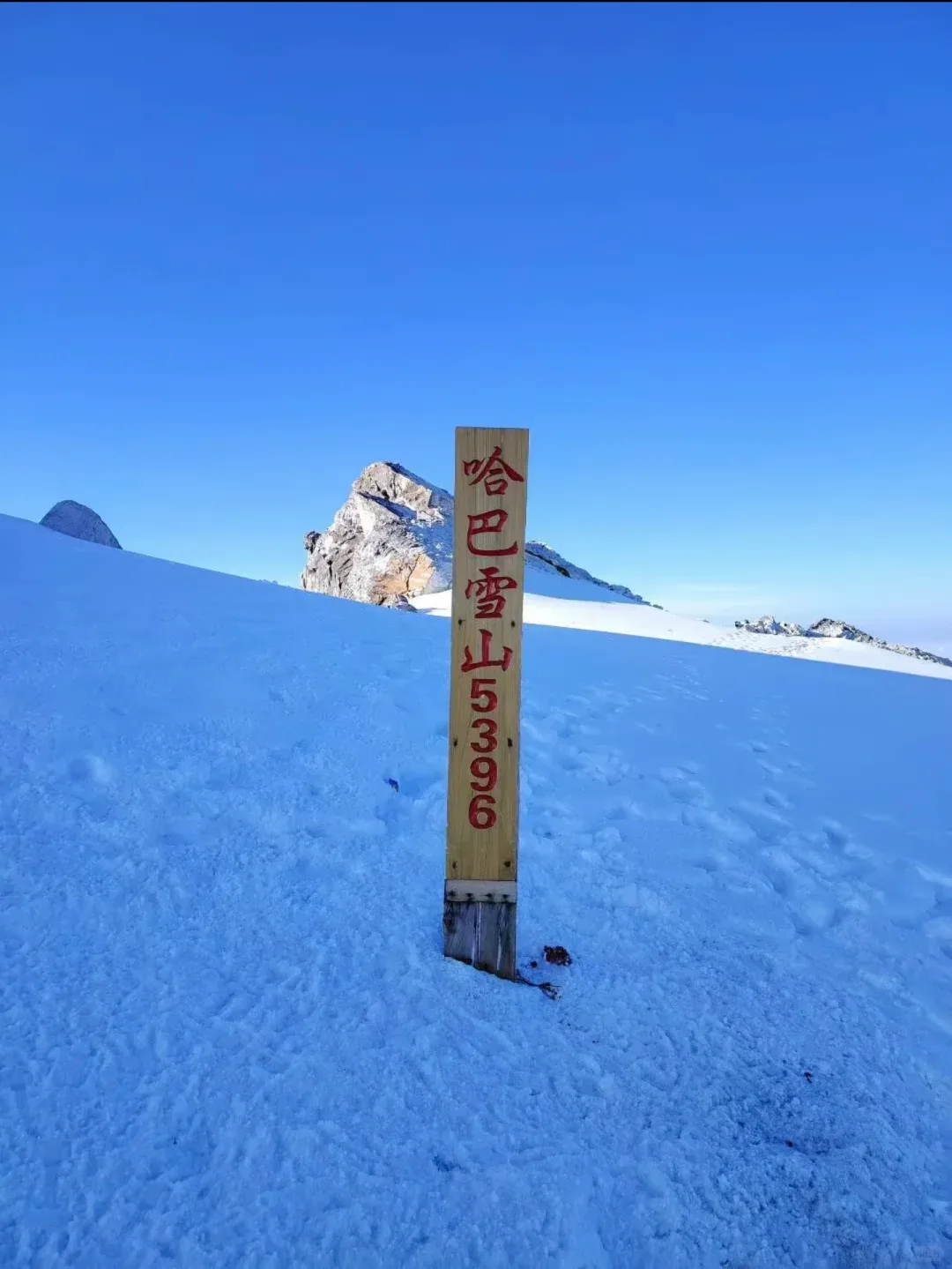
Haba Snow Mountain (Haba Xueshan), at 5,396 meters, is one of the most accessible true mountaineering peaks in China and a gateway summit for trekkers aspiring to climb in the Himalaya. Located in Yunnan Province just north of Tiger Leaping Gorge and opposite the more famous Jade Dragon Snow Mountain, Haba offers a non-technical ascent to over 5,000 meters — higher than any point in the contiguous United States or Europe. The standard route starts from Haba village (2,700m), climbs through pristine rhododendron and spruce forests to base camp at 4,100m, then ascends the glacier to the summit. The climb requires crampons, an ice axe, and rope team travel on the glacier, but no technical rock or ice climbing skills. Summit day involves approximately 1,200 meters of elevation gain over 6-8 hours, with a 3-4 AM alpine start to reach the summit by mid-morning before afternoon clouds build. From the summit, the panorama encompasses Jade Dragon Snow Mountain, Tiger Leaping Gorge, and on clear days, the distant peaks of the Meili Snow Mountain range. The best climbing seasons are May-June and September-October, when the weather is most stable and the glacier is in good condition. July-August is monsoon season with heavy rain and poor visibility. Winter ascents are possible but significantly more demanding due to cold (-20 C at base camp) and deep snow. Haba is typically climbed as a 3-4 day expedition from Lijiang (3 hours by car to Haba village), with local Tibetan and Naxi guides available for hire. No prior mountaineering experience is required, but excellent physical fitness and comfort with altitude are essential — the summit is at 5,396 meters, where atmospheric oxygen is approximately 50 percent of sea level.
Mountain Facts
Cultural Significance
Considered the easiest 5000m+ peak to climb in China, making it a popular 'first Himalayan summit' for aspiring mountaineers.
Highlights
- • Summit push and sunrise at 5,396m
- • Alpine lakes below the glacier
- • Haba Village guesthouses
- • Views of Tiger Leaping Gorge from above
- • Spring rhododendron forests
When to Go
May-June is the classic spring window: stable weather, rhododendrons in bloom up to the treeline, and the snowpack on the standard route consolidated but not icy. September-October is equally reliable — the monsoon has ended, skies clear, views of Jade Dragon and the Meili range improve dramatically, and base camp temperatures hover near freezing but stay manageable. July-August is monsoon: daily afternoon rain, a heavily crevassed glacier, and visibility often zero above 4,500m — technically possible but statistically unpleasant. November-April is winter: the route snows in, avalanche risk rises, and base camp hits -20 C; only experienced teams with full winter gear should attempt it. Climbing windows are short — add 2-3 buffer days in Lijiang or Shangri-La for weather. Summit day runs a 3-4 AM alpine start to reach the top by mid-morning before clouds build.
How to Get There
By Air: Fly to Lijiang Sanyi International Airport (LJG) — direct flights from Beijing, Shanghai, Chengdu, Kunming, and Guangzhou — or to Diqing Shangri-La Airport (DIG) for the northern approach. By Road: From Lijiang, head north on the G214 past Tiger Leaping Gorge to Haba Village (about 3 hours, 110km). Buses run from Lijiang Bus Station to Qiaotou (2h), then a local van climbs the final hour into the valley; most climbers arrange a car or join a group through a Lijiang guesthouse. From Shangri-La it is 2.5-3 hours via the gorge rim. The Climb: from Haba Village (2,700m), trek 5-6 hours through forest to base camp (4,100m); yaks and horses carry gear (CNY 150-300). Summit day adds 1,200m over 6-8 hours. A registered guide is effectively mandatory — hire through your guesthouse (CNY 500-800 for the expedition). No park entry fee.
Frequently Asked Questions
Is Haba Snow Mountain worth visiting? +
What is the best time to climb Haba? +
How do I get to Haba Snow Mountain? +
How difficult is climbing Haba? +
What should I bring for Haba? +
You May Also Like
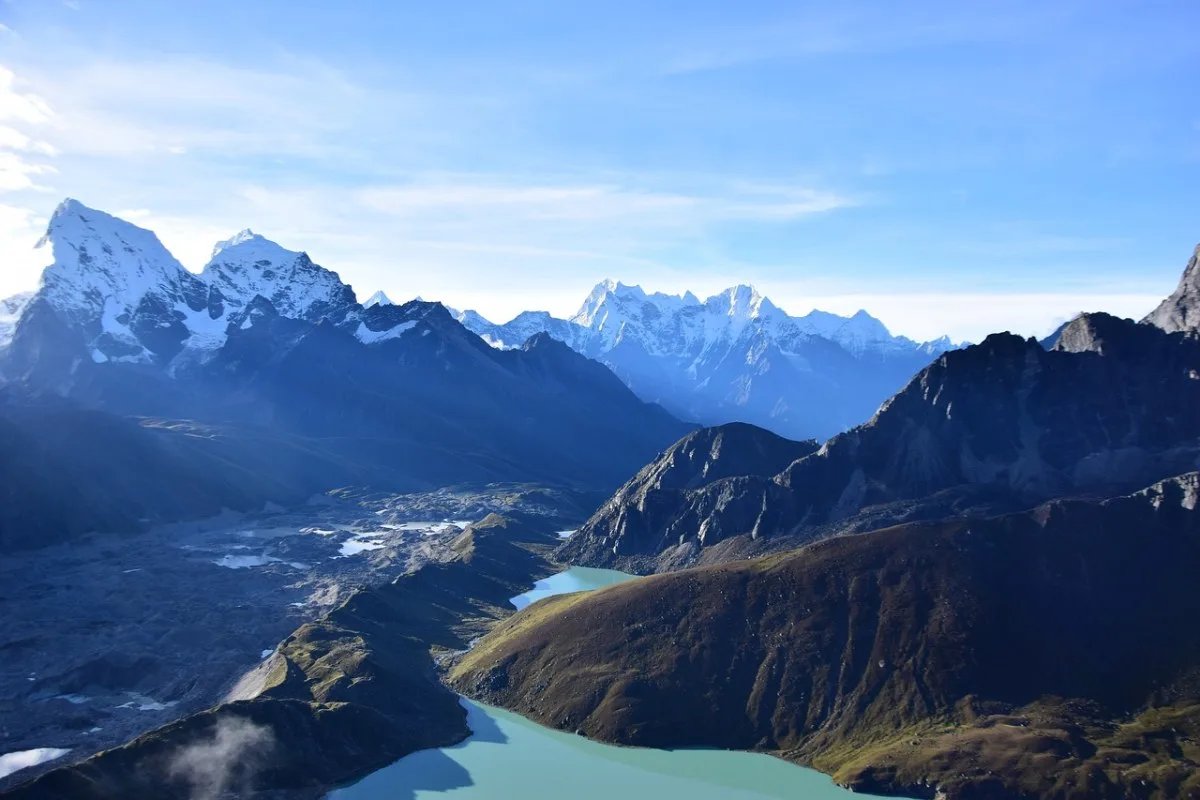
Mount Everest
Qomolangma · Tibet
The roof of the world — stand at the foot of Earth's highest mountain
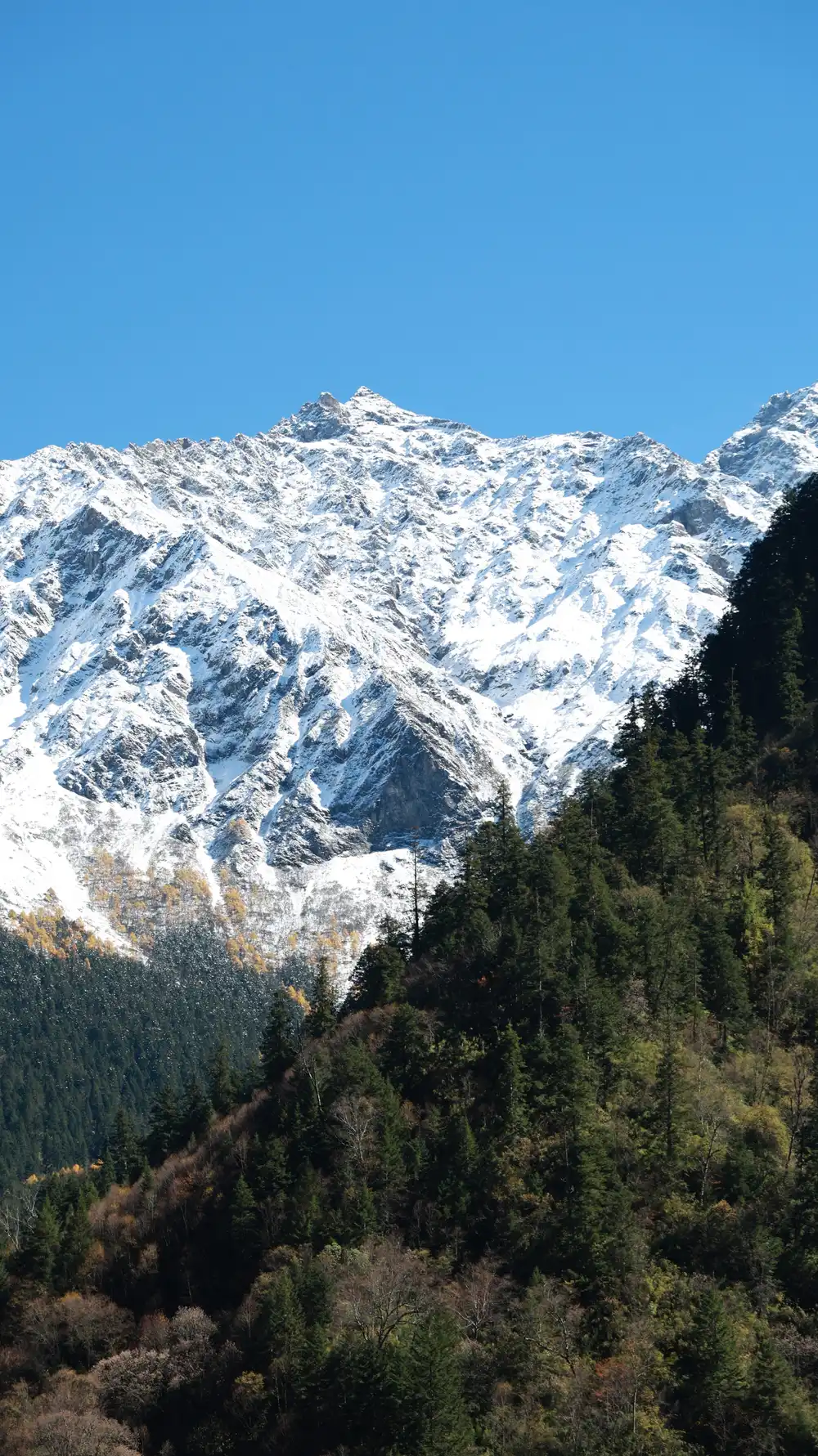
Meili Snow Mountain
Meili Snow Mountain · Yunnan
The sacred unconquered peak — 13 snow summits above a Tibetan valley
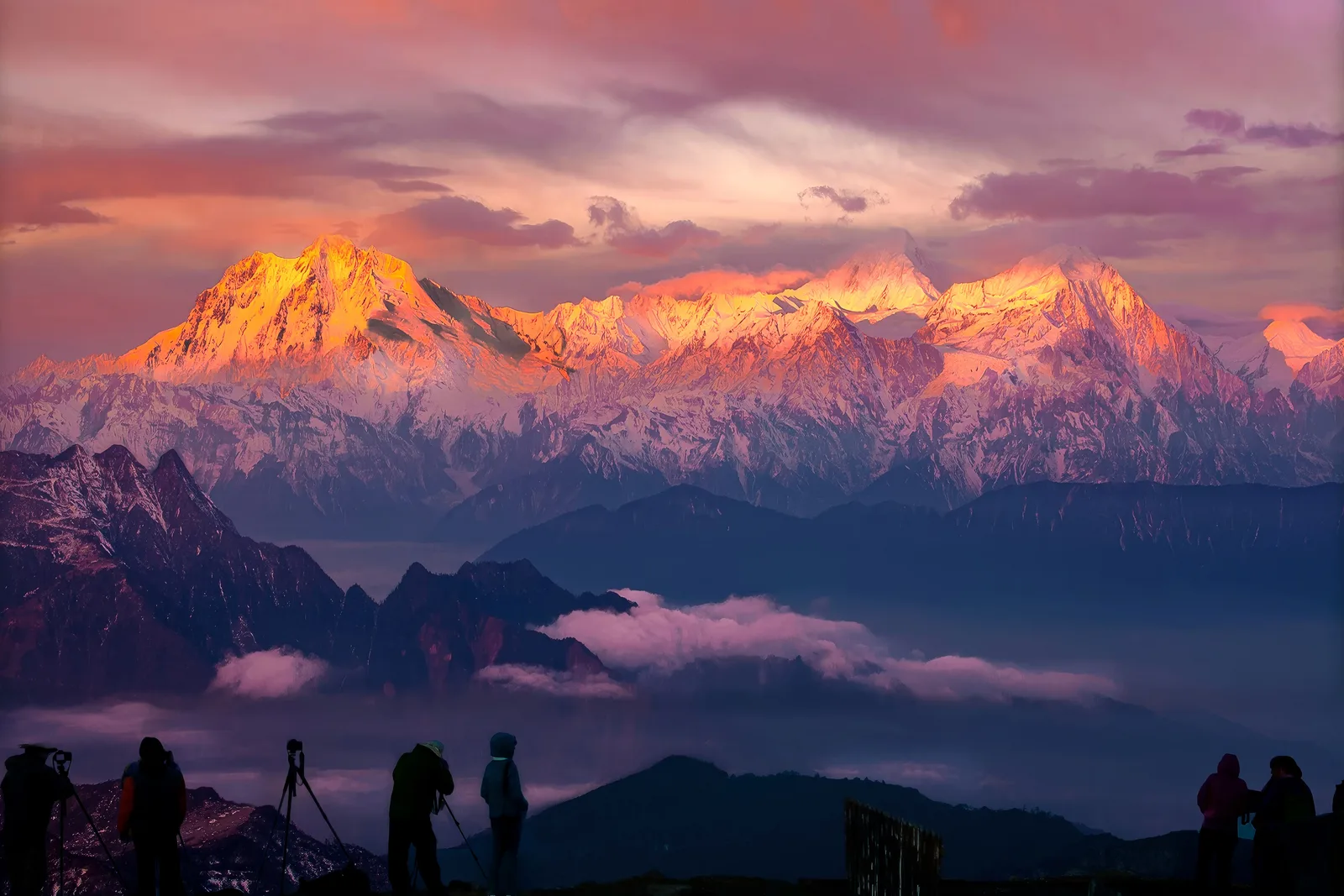
Mount Gongga
Gong Ga Shan · Sichuan
The King of Sichuan mountains — 7,556m of alpine majesty