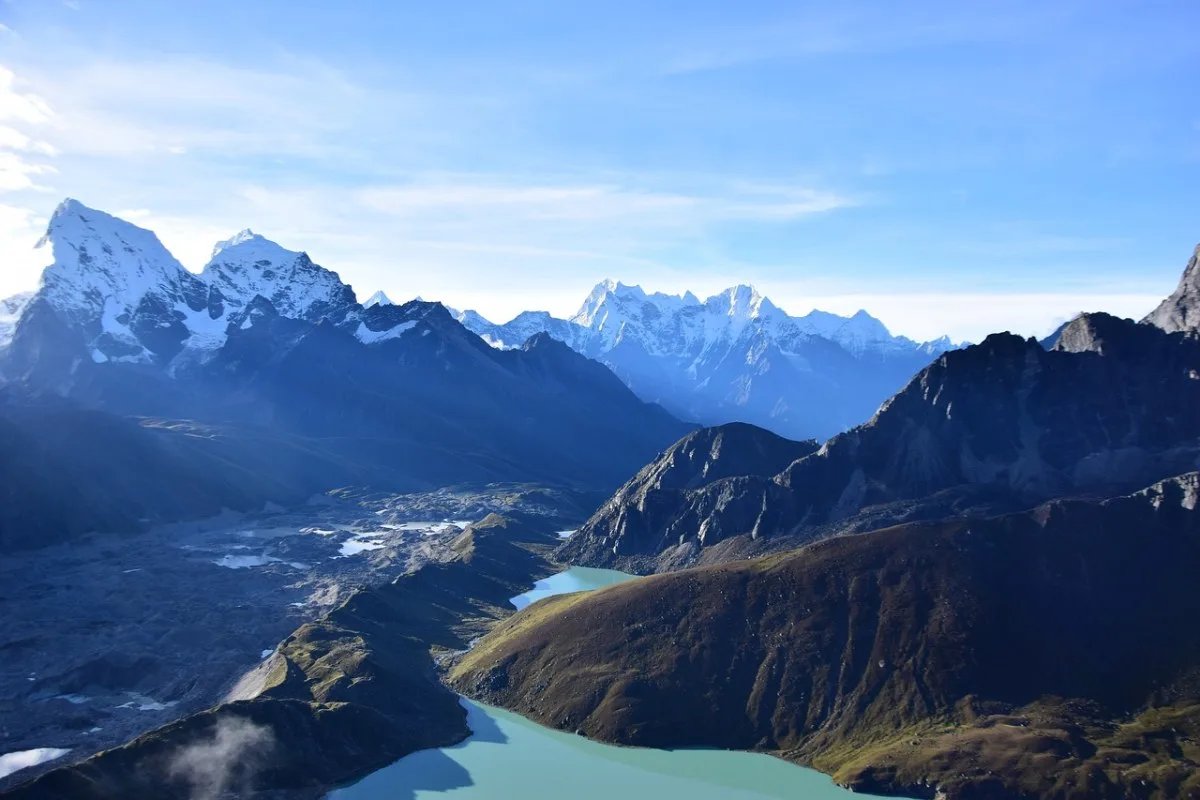
Photo: Pixabay (CC0)
Mount Everest
Qomolangma
The roof of the world — stand at the foot of Earth's highest mountain
About Mount Everest
Standing at the foot of Mount Everest (8,848.86m) is an experience that defies description. The north side in Tibet lets you drive to within kilometers of base camp and gaze at the mountain's face.
Mountain Facts
Cultural Significance
The highest mountain on Earth at 8,848.86m. The north side base camp in Tibet is the highest road-accessible point.
Highlights
- • Everest Base Camp (5,150m)
- • Gawu La Pass panorama
- • Rongbuk Monastery
- • The Highway to the Sky
- • Gold sunset on Everest
When to Go
April to May and September to October are the only viable windows. April-May offers the clearest skies and is the main expedition season — you will see expedition tents at base camp and may witness climbers preparing for summit attempts. Daytime temperatures at base camp hover around 0-10 C, dropping to -15 C at night. September-October has slightly more cloud cover but warmer daytime temperatures and fewer tourists. From November to March, the road may be closed by snow, and temperatures plummet to -25 C or lower. The Tibetan Plateau in winter is an extremely harsh environment. June to August is the monsoon season, with cloudy skies that obscure Everest and road closures due to landslides. Regardless of season, you must spend at least 2-3 days acclimatizing in Lhasa (3,656m) and Shigatse (3,840m) before ascending to base camp. Ascending too quickly from sea level to 5,150m in under 4 days is extremely dangerous.
How to Get There
By Air: Fly to Lhasa Gonggar Airport (LXA) — flights from Beijing, Chengdu, Chongqing, Xi'an, and Shanghai. From Lhasa, the road journey to Everest Base Camp (EBC) takes 3-4 days overland via Shigatse and Tingri, with acclimatization stops (Shigatse at 3,840m, Tingri at 4,300m). By Road: The Friendship Highway (G318) runs from Lhasa through Shigatse to Tingri; from Tingri, the 100km spur road climbs to the base camp area (5,150m). Foreign visitors must join organized tours with licensed guides and obtain a Tibet Travel Permit plus the Alien Travel Permit for EBC (arranged by your agency). Entry Fee: CNY 180 for the base camp area plus a vehicle charge. The final stretch from the gate to the old base camp is a 20-minute shuttle; Everest views are also possible from the Rongbuk Monastery viewpoint. Budget 5-7 days round trip from Lhasa. The base camp sits at 5,150m — altitude sickness is common, so acclimatize in Lhasa for at least 2 nights before heading up.
Frequently Asked Questions
Can I visit Everest Base Camp without climbing the mountain? +
Do I need a permit to visit Everest Base Camp in Tibet? +
How dangerous is the altitude at Everest Base Camp? +
How much does it cost to visit Everest Base Camp? +
What is the weather like at Everest Base Camp? +
Can I see Everest from Nepal instead? +
You May Also Like
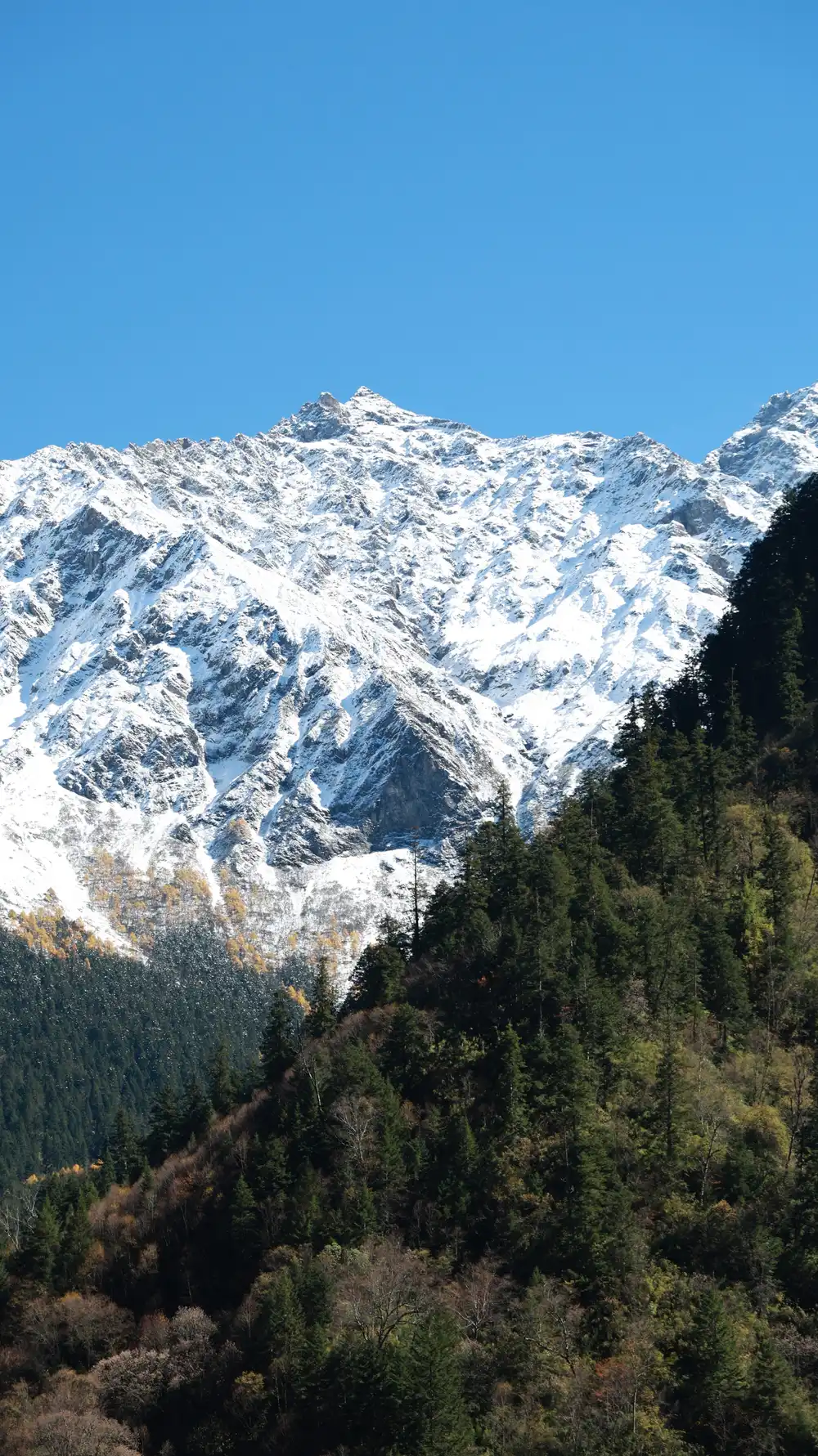
Meili Snow Mountain
Meili Snow Mountain · Yunnan
The sacred unconquered peak — 13 snow summits above a Tibetan valley
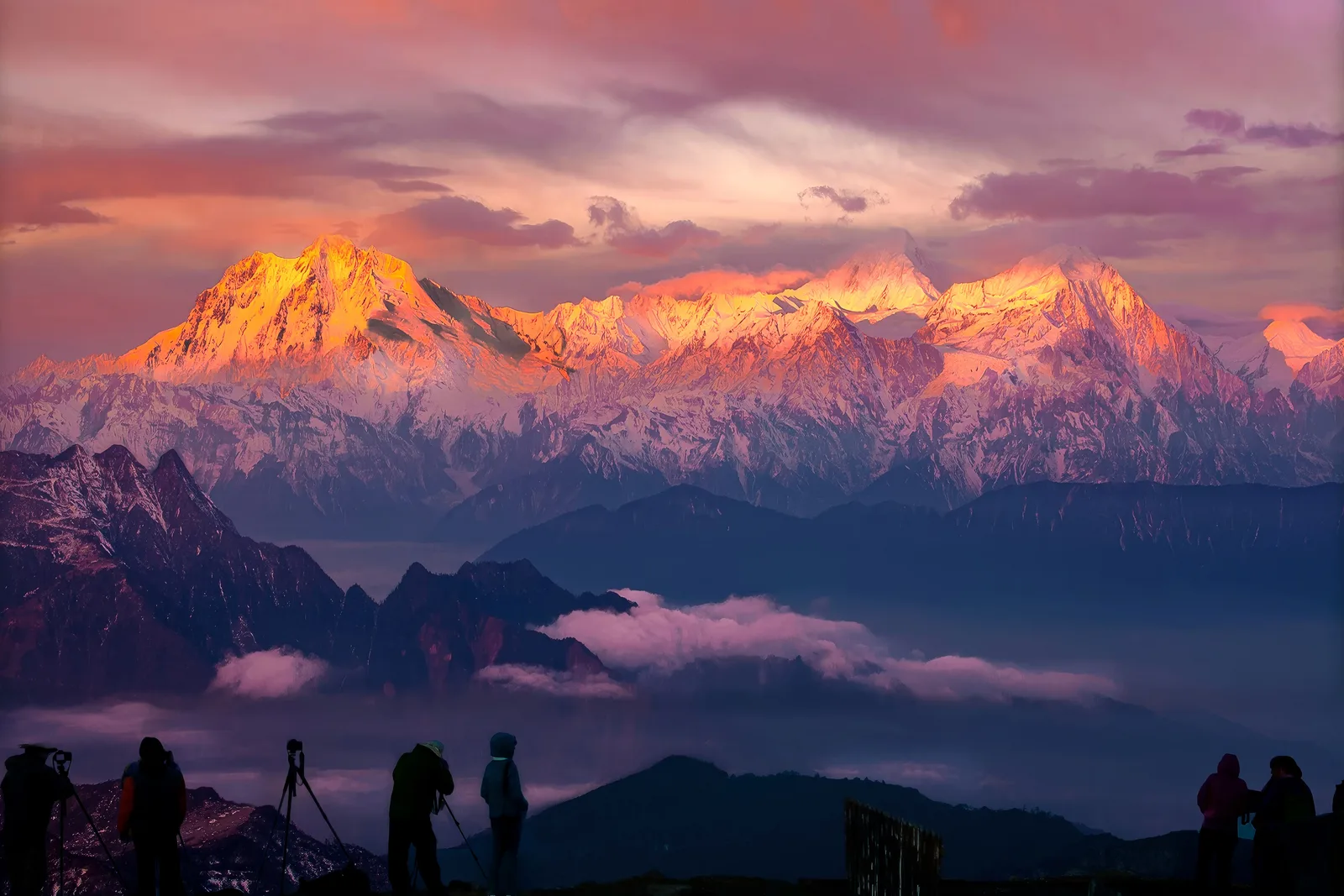
Mount Gongga
Gong Ga Shan · Sichuan
The King of Sichuan mountains — 7,556m of alpine majesty
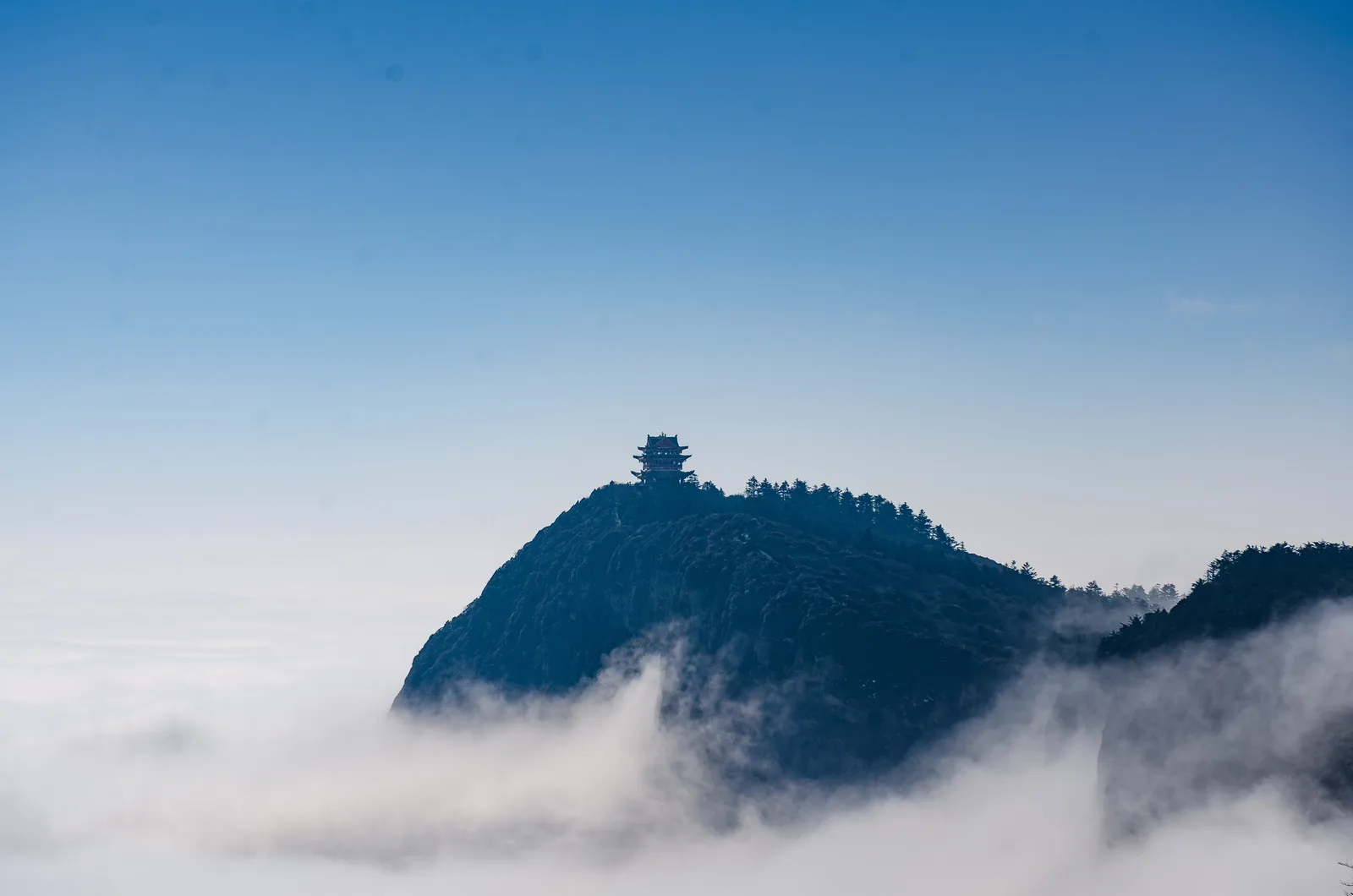
Mount Emei
Emei Shan · Sichuan
Sacred Buddhist mountain — golden temples above the clouds