Photo: Pexels
Mount Emei
Emei Shan
Sacred Buddhist mountain — golden temples above the clouds
About Mount Emei
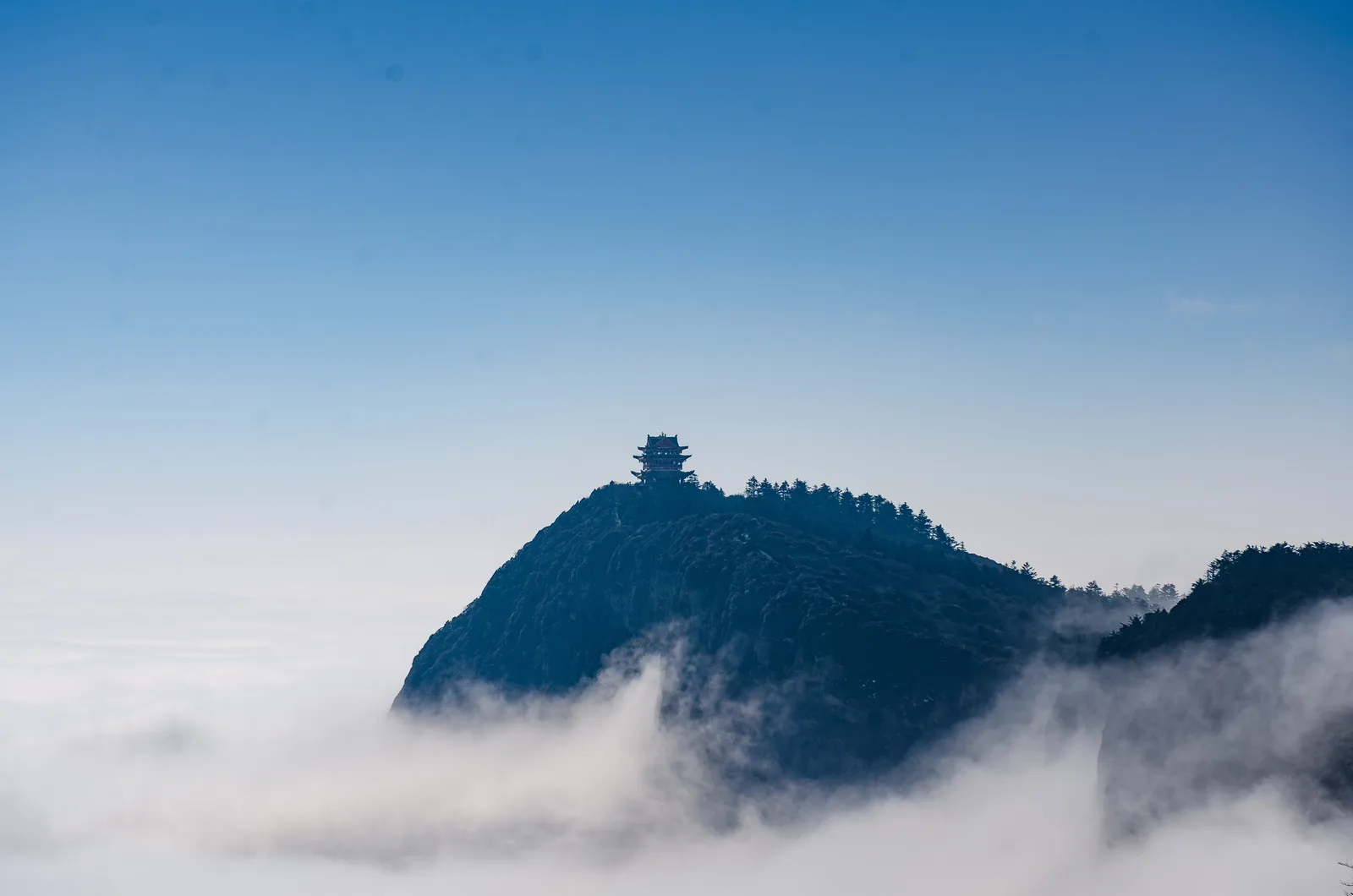
Mount Emei rises dramatically from the Sichuan basin to over 3,000m. For two millennia it has been one of China's most important Buddhist sites, with the Golden Summit temple complex emerging from a sea of clouds.
Mountain Facts
Cultural Significance
Sacred to Buddhism for 2,000 years. The Golden Summit at 3,099m features a massive gilded Buddha statue.
Highlights
- • Golden Summit (Jinding)
- • Wannian Temple (4th century)
- • Baoguo Temple
- • Monkey Zone
- • The 50km pilgrimage trail
When to Go
Spring (March to May): Azaleas bloom at higher elevations, temperatures are comfortable (10-20 C), and the forest is lush green. A beautiful season for the full pilgrimage hike. Summer (June to August): Warm (15-25 C at summit) but often foggy and rainy. The forest is at its greenest. Summer vacation crowds (July-August) are the heaviest. Afternoon thunderstorms are common — start early. Autumn (September to November): The best season. Clear skies, crisp air, golden foliage, and the highest probability of the Sea of Clouds and Buddha's Light phenomena. October is peak month — book accommodations ahead. Winter (December to February): Snow-covered and magical. The Golden Summit under snow with the massive golden Samantabhadra statue emerging from mist is one of China's most striking winter scenes. Cable cars operate year-round. Temperatures at the summit drop to -10 C.
How to Get There
By Air: Fly to Chengdu Shuangliu or Tianfu International Airport. From Chengdu, the high-speed train (Chengdu East or South to Emeishan Station) takes about 1 hour, with frequent departures through the day. By High-Speed Train: Emeishan Station is on the Chengdu-Leshan line (1h from Chengdu, 30 min from Leshan and the Giant Buddha). From the station, bus No. 5 or taxis reach the Baoguo Temple entrance at the foot of the mountain in 15 minutes. The classic full-pilgrimage climb starts at Baoguo Temple: 50km of stone steps to the Golden Summit taking 2-3 days, with temples offering simple accommodation along the way. Most visitors instead take the scenic shuttle buses (CNY 90 round trip) up the mountain road to Leidongping, then walk 1.5-2 hours or take the cable car (CNY 55-65) to the Golden Summit (3,079m). Entry Fee: CNY 160 (peak) / CNY 110 (off-peak). Note the summit area sits at 2,500m+ — carry warm layers even in summer.
Frequently Asked Questions
How long does it take to climb Mount Emei? +
Can I see the famous Sea of Clouds at Emei? +
Are the monkeys on Mount Emei dangerous? +
What makes Mount Emei culturally significant? +
When is the best time to visit Mount Emei? +
You May Also Like
Mount Everest
Qomolangma · Tibet
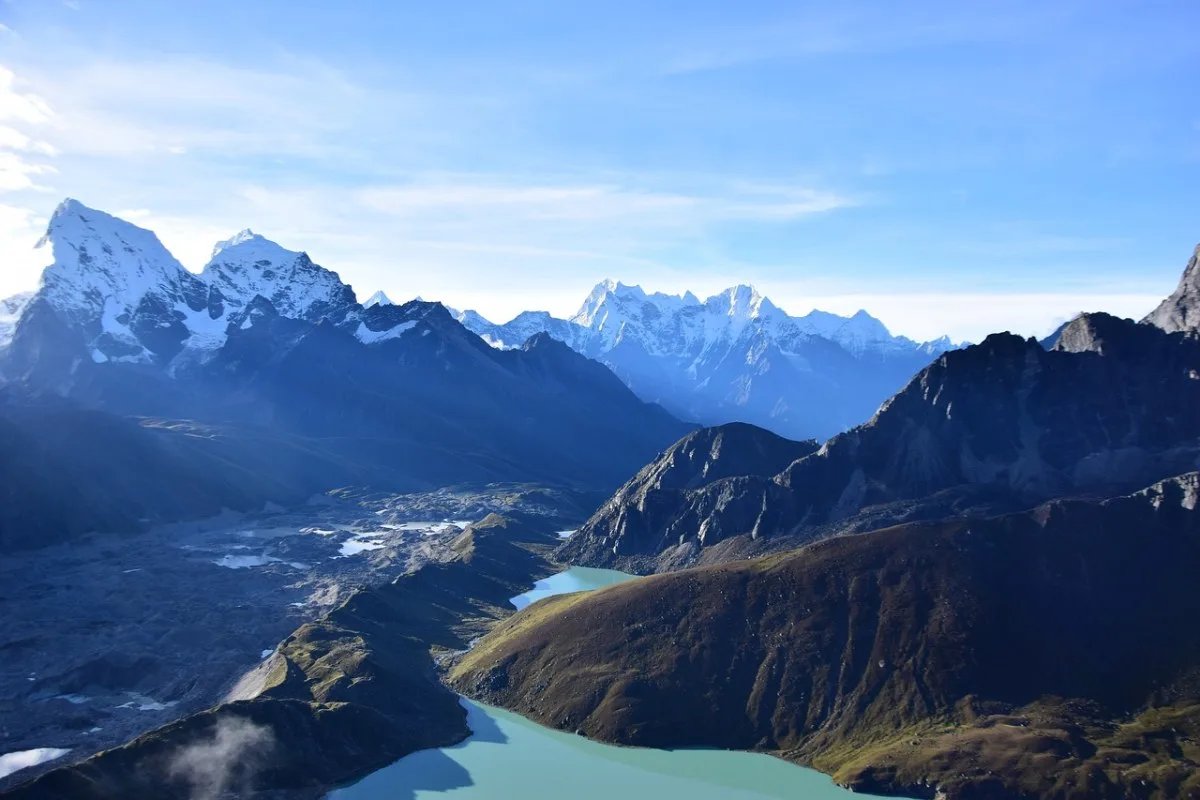
The roof of the world — stand at the foot of Earth's highest mountain
Meili Snow Mountain
Meili Snow Mountain · Yunnan
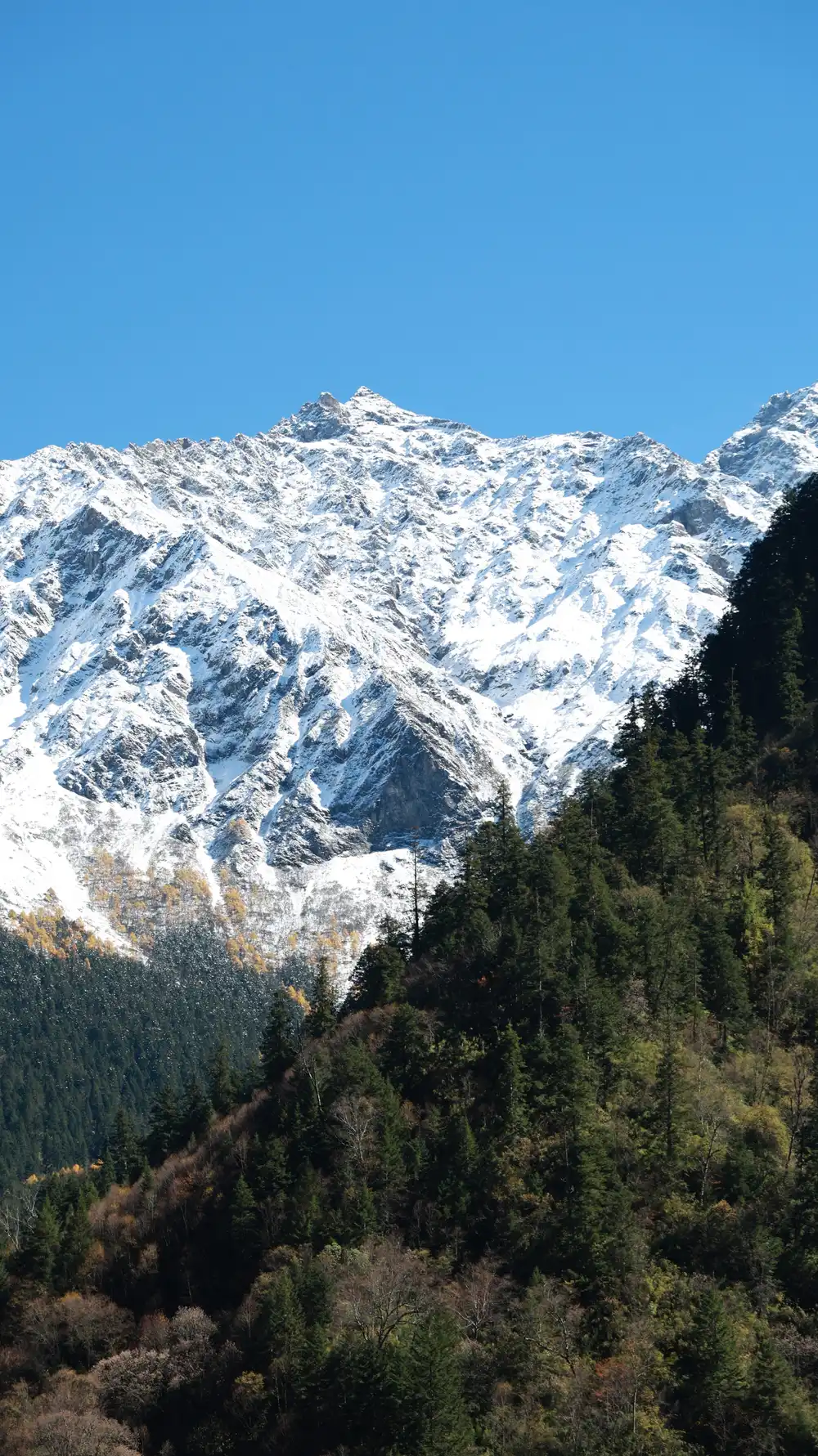
The sacred unconquered peak — 13 snow summits above a Tibetan valley
Mount Gongga
Gong Ga Shan · Sichuan
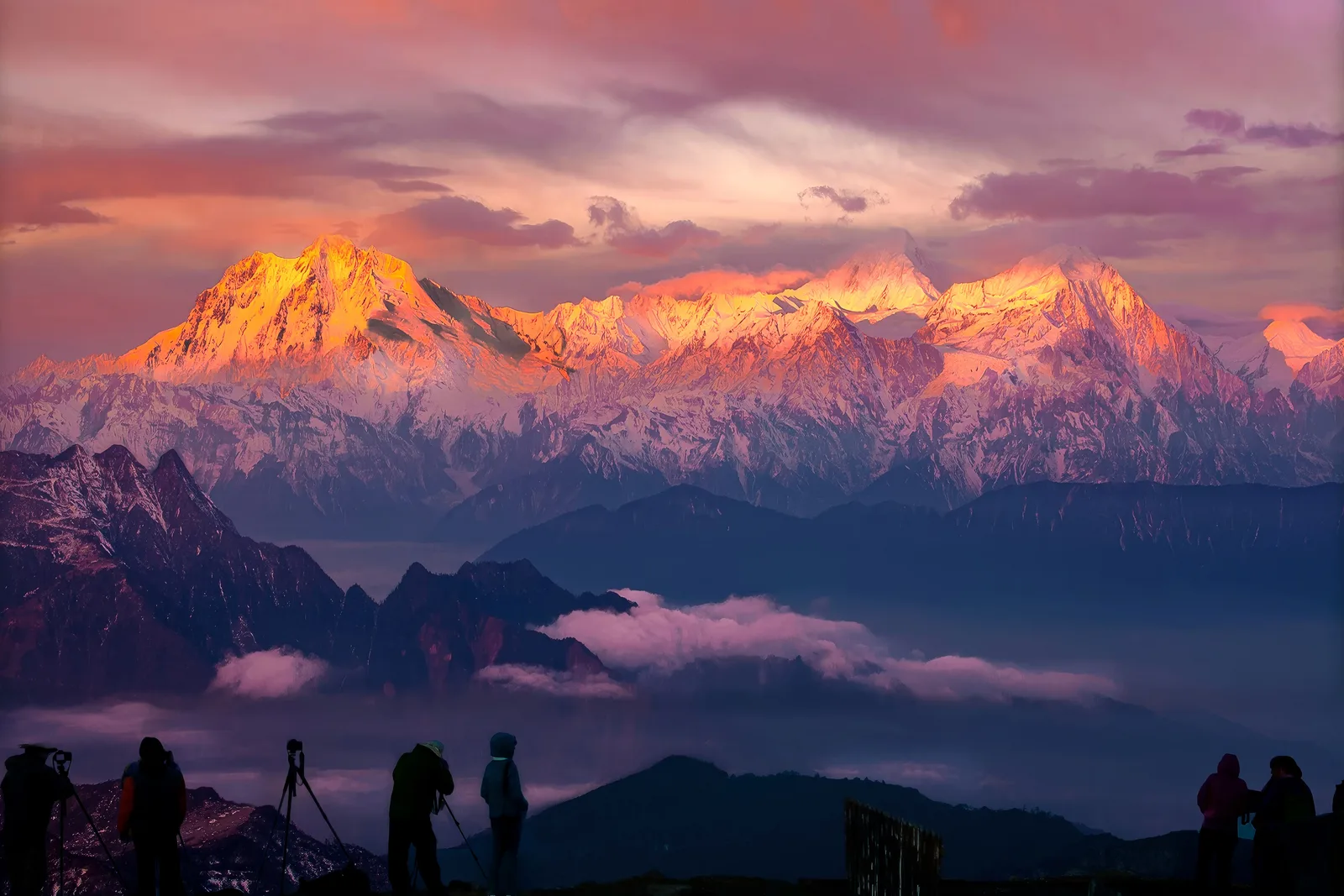
The King of Sichuan mountains — 7,556m of alpine majesty