The Five Great Mountains (Wuyue)
For over 4000 years, emperors made pilgrimages to these five peaks, poets composed verses about them, and ordinary people climbed their steps seeking blessing and perspective. They are the spiritual backbone of Chinese civilization.
Meet the Five
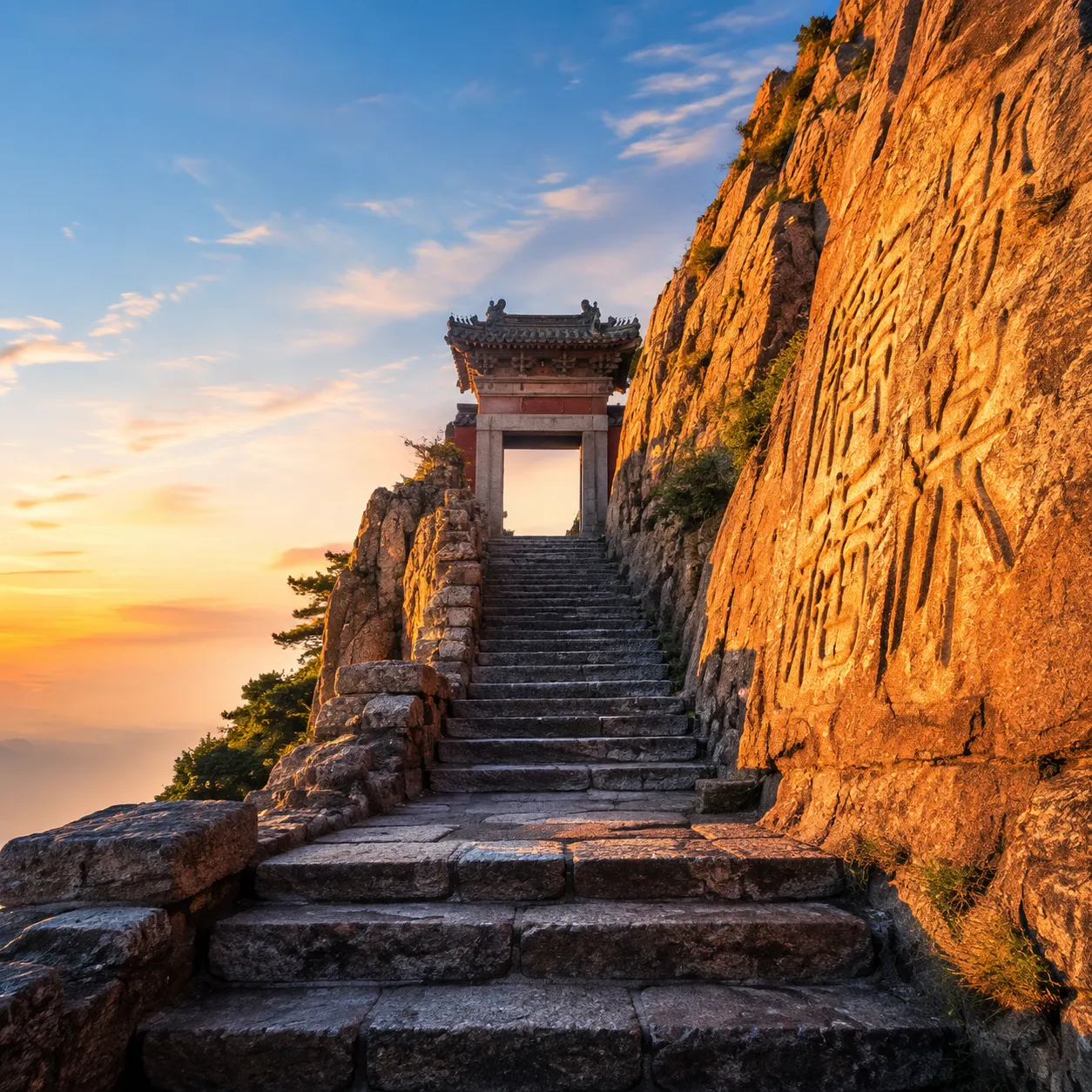
Mount TaiTai Shan
The most sacred mountain — climbed by emperors for 3,000 years
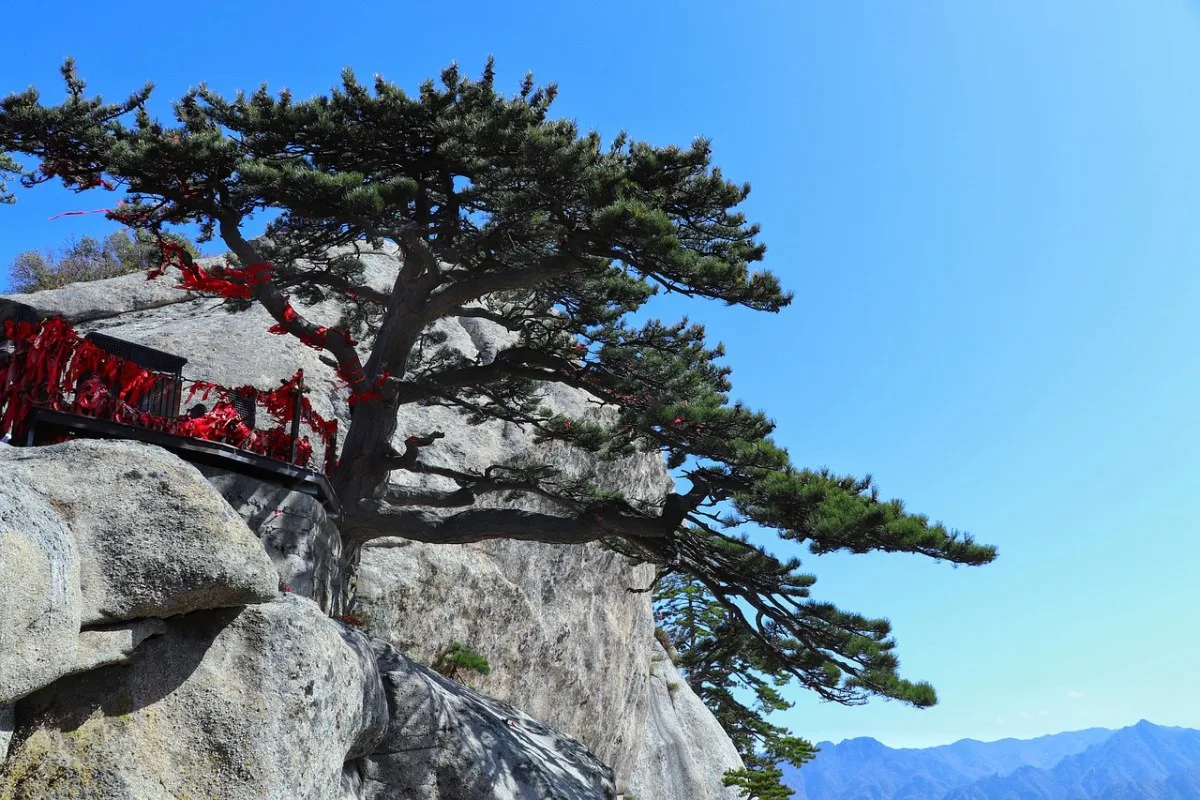
Mount HuaHua Shan
The world's most dangerous hike — plank walks on sheer cliff faces
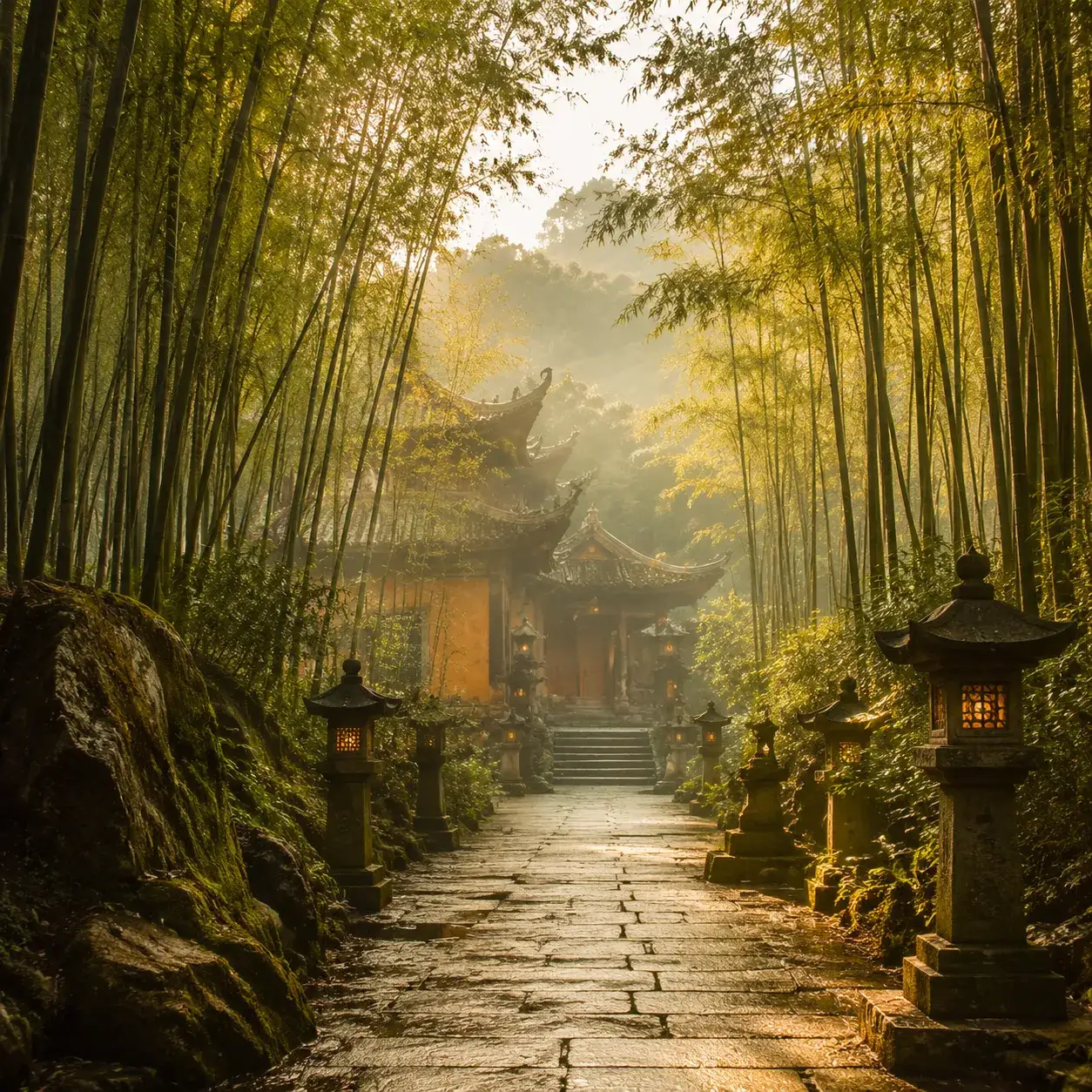
Mount Heng (Hunan)Heng Shan (Hunan)
The Southern Great Mountain, home to 200+ temples and misty forest trails
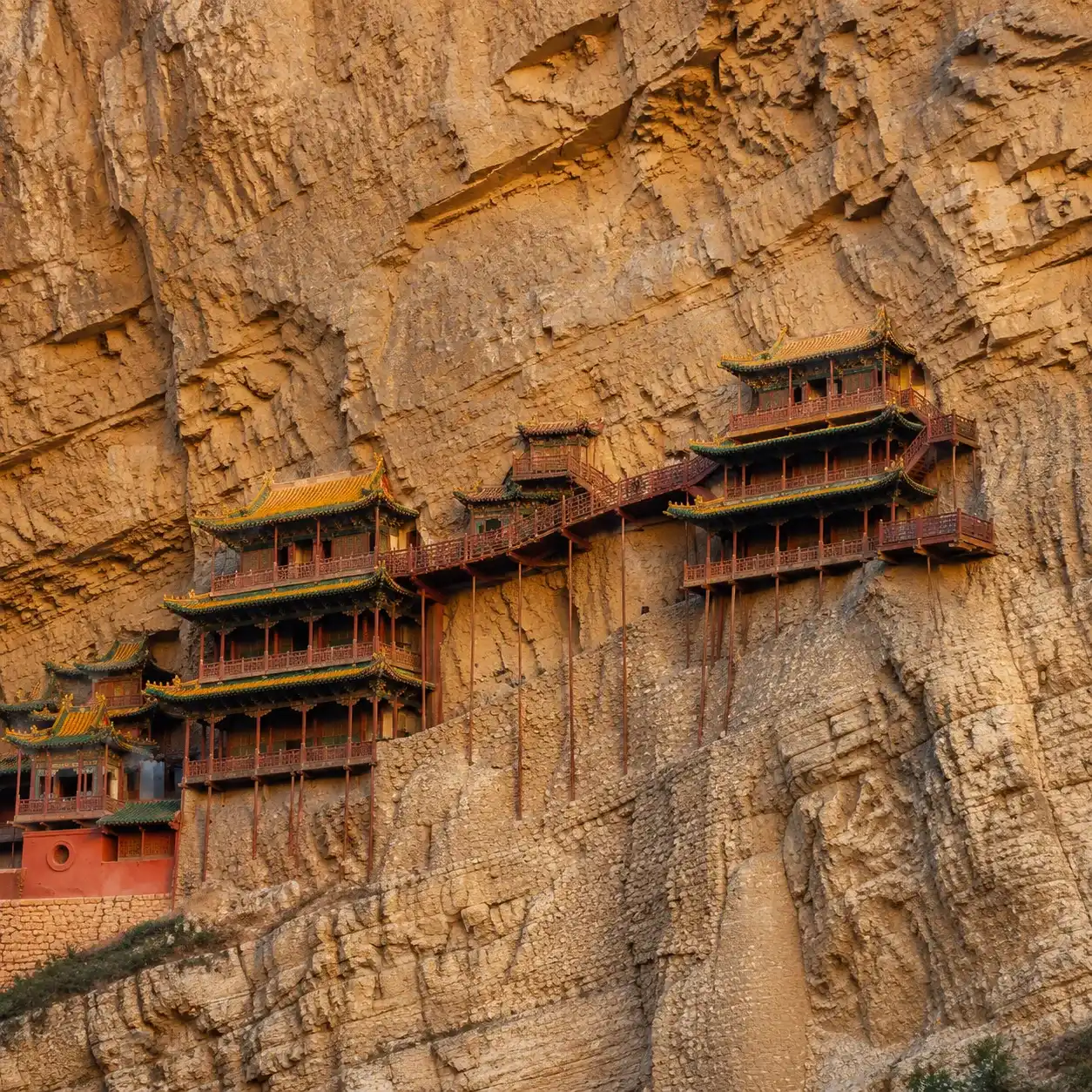
Mount Heng (Shanxi)Heng Shan (Shanxi)
Home to the mind-bending Hanging Temple suspended from a sheer cliff
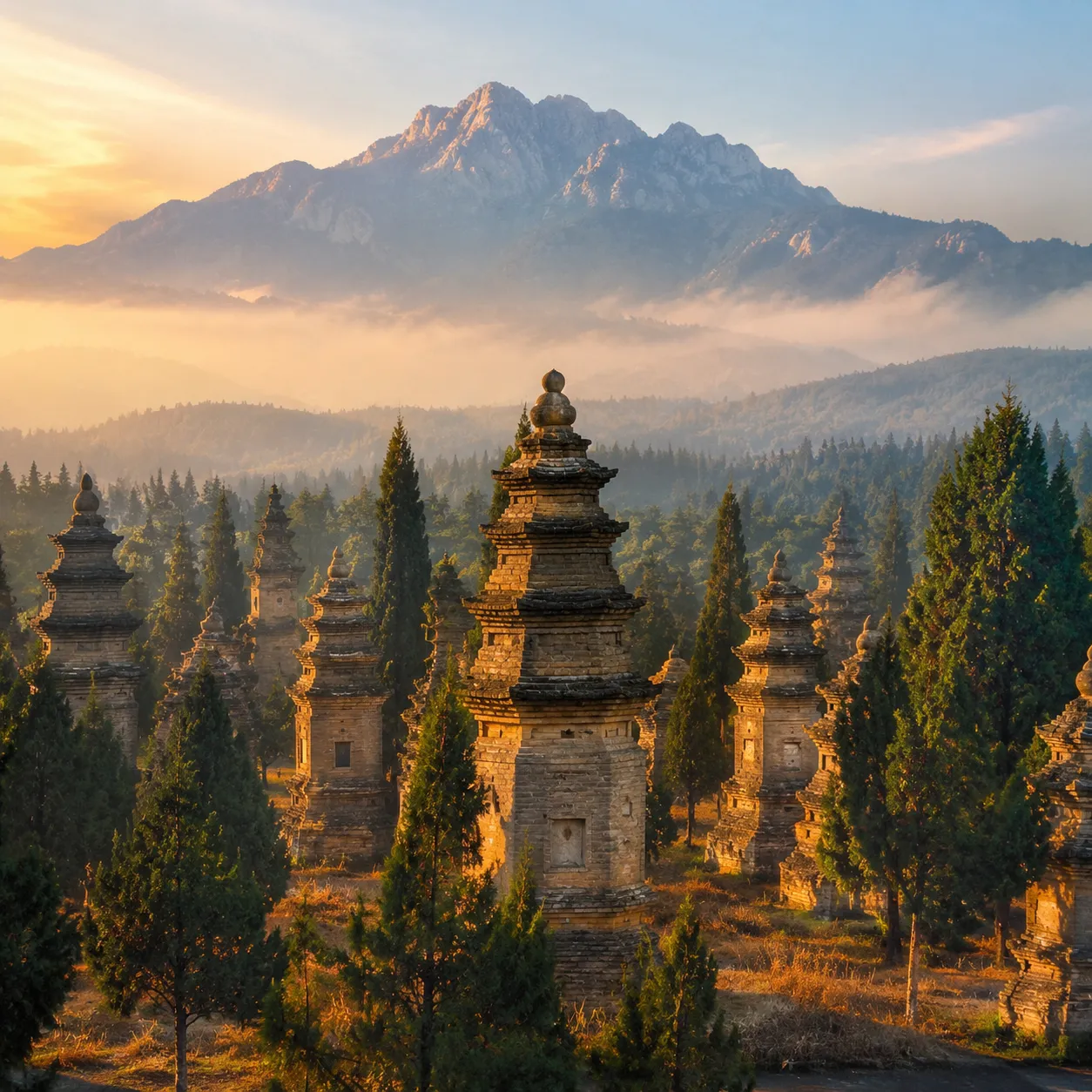
Mount SongSong Shan
Birthplace of Shaolin kung fu and Zen Buddhism, the Central Great Mountain
Why These Five? The History
The concept of the Five Great Mountains (Wuyue) dates back to the Warring States period (475-221 BC). Ancient Chinese cosmology assigned each mountain a cardinal direction — east, west, south, north, and center — and believed they were pillars holding up the heavens. Emperors would travel to each mountain to perform the Fengshan sacrifice, the most sacred ritual in Chinese state religion, to legitimize their rule and communicate with heaven.
The Five Mountains by Direction
- EastMount Tai — The most revered. "If Mount Tai is stable, so is the entire country." 72 emperors climbed its 6,600+ steps. First among equals.
- WestMount Hua — The most dramatic. Five granite peaks connected by narrow ridges. Famous for the heart-stopping Plank Walk bolted to a vertical cliff face.
- SouthMount Heng (Hunan) — The most serene. Over 200 temples and shrines scatter its slopes. A center of both Buddhist and Daoist practice for 1,500+ years.
- NorthMount Heng (Shanxi) — Home to the 1,500-year-old Hanging Temple, a monastery literally suspended from a cliff face. A geological oddity with dramatic horizontal rock strata.
- CenterMount Song — The birthplace of Shaolin kung fu and Zen (Chan) Buddhism. The Shaolin Temple at its base is one of the world's most famous monasteries.
Which One Should You Visit?
If you want history, choose Tai. If you want adrenaline, choose Hua. If you want serenity, choose Heng (Hunan). If you want architecture, choose Heng (Shanxi). If you want martial arts and Zen, choose Song. Or do what the ancient emperors did: visit all five.