The First-Timer"s Guide to Chinese Mountains (2026 Edition)
Planning your first trip to a Chinese mountain? From permits to packing lists, cable cars to crowds — everything you need to know before you go.
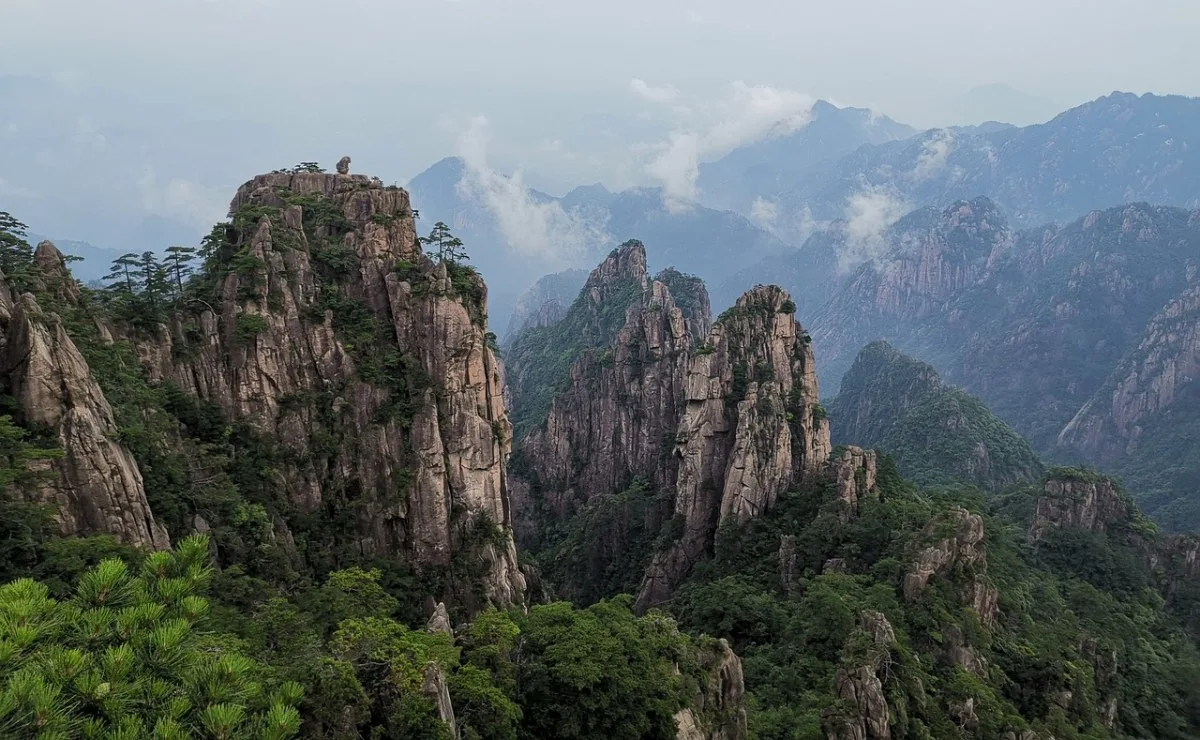
So you"ve seen the photos: misty granite spires rising above an ocean of clouds. Ancient temples clinging to vertical cliffs. Endless staircases winding through bamboo forests. Chinese mountains are unlike anywhere else on Earth — and visiting them can feel intimidating if you"ve never done it before. This guide breaks down everything you need to know.
Step 1: Pick the Right Mountain
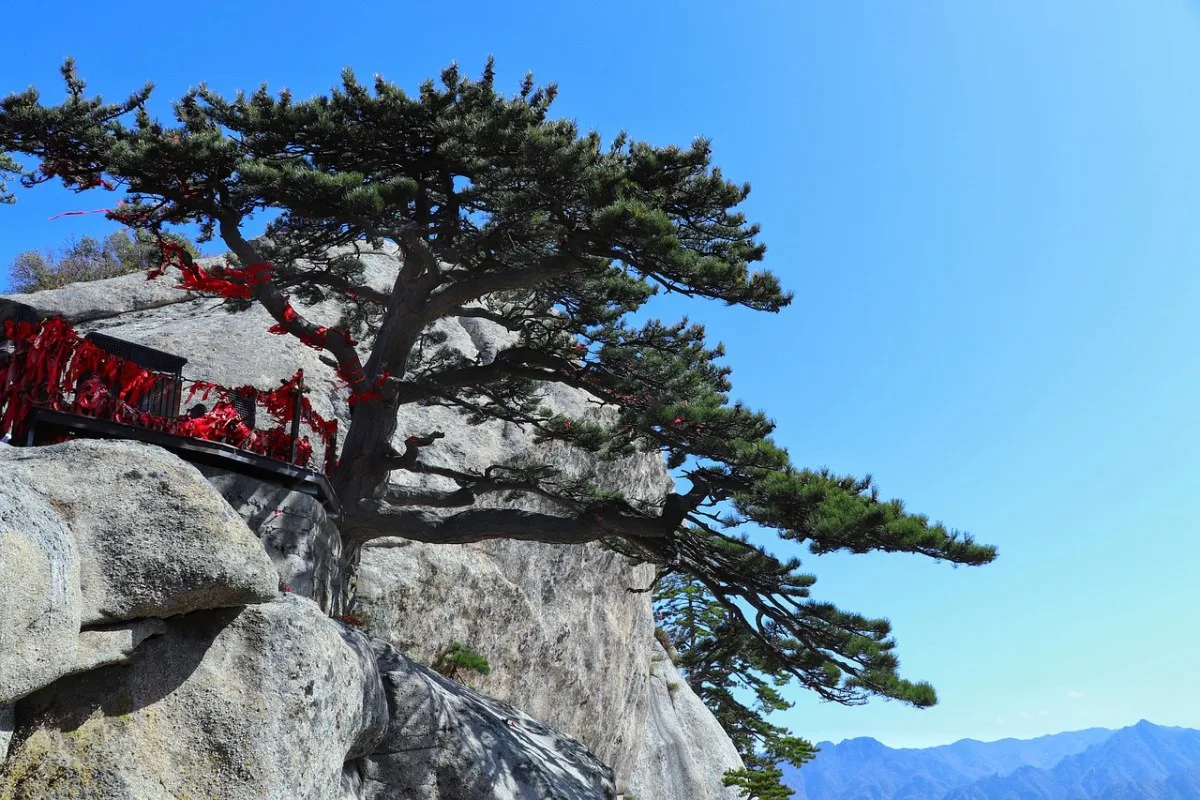
Not all Chinese mountains are created equal. Some (like Mount Tai) are essentially giant outdoor staircases with temples. Others (like Mount Hua) involve genuinely dangerous cliff-side plank walks. Your first mountain should match your fitness level and appetite for adventure. Use our quiz on the homepage to narrow it down in 3 questions.
Step 2: Choose Your Season
This might be the single most important decision. Visit Huangshan in October and you"ll get crystal-blue skies and golden foliage. Visit in July and you might see nothing but fog. Check our Seasonal Calendar on the homepage for month-by-month recommendations.
Golden rules of timing:
- •Avoid Chinese national holidays at all costs. Golden Week (Oct 1-7) turns famous mountains into human traffic jams.
- •Spring (Mar-May) and autumn (Sep-Nov) are ideal for most peaks.
- •Winter is empty and beautiful but cold — some cable cars close for maintenance.
- •Summer works if you go above 2500m elevation. Low-altitude mountains are hot and crowded.
Step 3: Book Everything in Advance
For popular mountains like Huangshan and Zhangjiajie, you cannot just show up and hike. Many now require online reservations for entry tickets, and mountain-top hotels sell out weeks ahead during peak seasons. Book accommodation and entry tickets on official platforms (usually through WeChat mini-programs) or via reputable travel agencies.
Step 4: Pack Smart
- •Hiking shoes with good grip — stone steps get slippery when wet
- •Rain jacket even if the forecast is clear — mountain weather changes fast
- •Layers: temperature drops roughly 6 C per 1000m elevation gain
- •Cash: many mountain vendors don"t accept international cards
- •Portable charger: you"ll take more photos than you expect
Step 5: Embrace the Chaos
A Chinese mountain is not a quiet wilderness experience. There will be vendors selling instant noodles at the summit. Grandmas in dress shoes will overtake you on the stairs. Someone will blast music from a Bluetooth speaker at a viewpoint. This is part of the experience. The scenery is world-class; the atmosphere is uniquely, wonderfully Chinese. Embrace both.