Best Chinese Mountains for Hiking: From Beginner Trails to Extreme Treks (2026 Guide)
Whether you want a gentle cable-car stroll or a multi-day alpine expedition, here are the 10 best Chinese mountains for hiking — ranked by difficulty, with honest assessments of what each trail really demands.
Chinese mountain hiking ranges from paved staircases with tea vendors every 500 meters to remote alpine traverses where you will not see another human for days. This guide ranks 10 mountains by difficulty and hiking quality, with honest assessments of what each trail actually demands — not what the brochures say.
Tier 1: Beginner-Friendly (Cable Car + Short Walks)
These mountains offer world-class scenery with minimal physical demand. Ideal for families, older travelers, or anyone who wants the views without the burn.
Tianmen Mountain, Hunan — 2/10 Difficulty
The 7.5km cable car does the work. At the summit, paved walkways and glass skywalks require only moderate walking. The 999 steps to Heaven's Door are optional. Total walking: 2-3 hours on flat or gently sloping paths. The glass skywalk experience adds psychological but not physical difficulty.
Jade Dragon Snow Mountain, Yunnan — 3/10 (altitude factor)
Cable car to 4,506m. The boardwalk to 4,680m is flat with railings. The challenge here is altitude, not terrain. Spend 1-2 days in Lijiang (2,400m) to acclimatize. Bring oxygen canisters (CNY 30-50 at the base). Move slowly, and descend immediately if you feel lightheaded.
Tier 2: Moderate Day Hikes (3-6 Hours, Stone Steps)
The classic Chinese mountain experience. Thousands of stone steps, steep but not technical, with cable car options to shorten the route if needed.
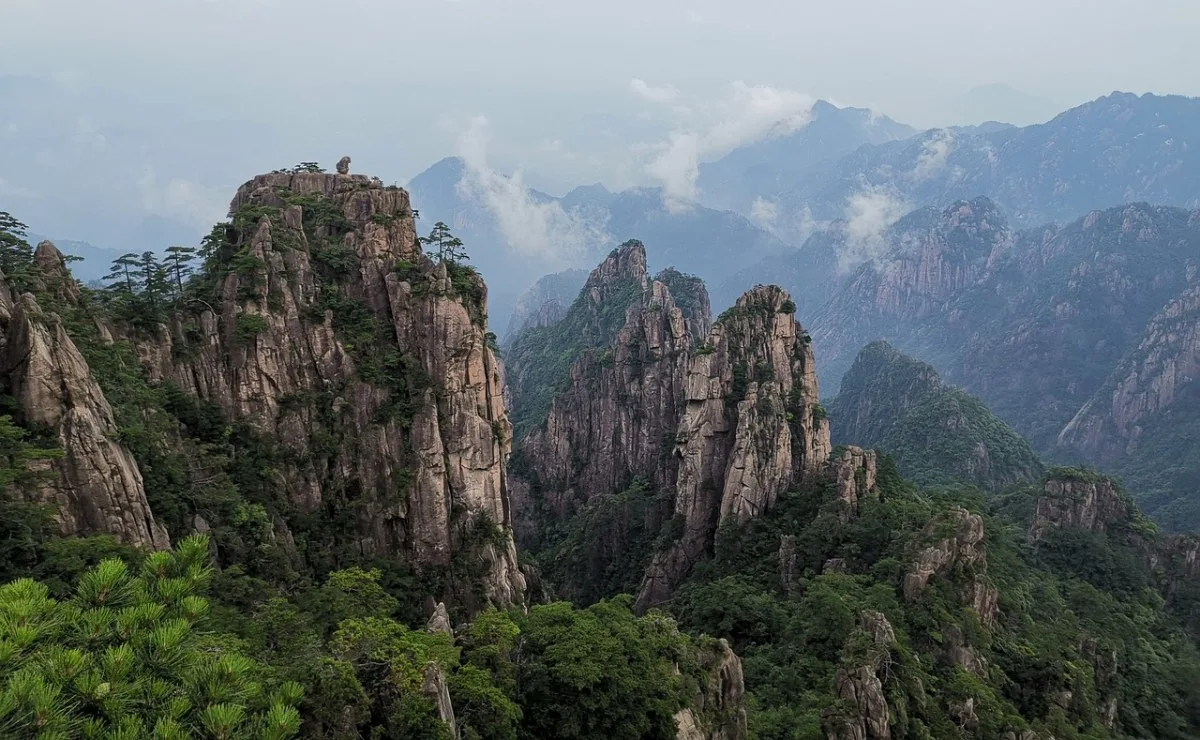
Mount Huangshan, Anhui — 5/10 Difficulty
The gold standard. Cable car to 1,600m, then 2-4 hours of ridge walking between peaks on stone steps. The West Sea Grand Canyon descent adds 3-4 hours of knee-testing downhill. Total elevation gain: 200-400m if using cable cars, 800-1,000m if hiking from base. The steps are relentless — there are no flat sections anywhere on the summit trails.
Mount Tai, Shandong — 6/10 (endurance test)
6,666 continuous stone steps with 1,350m elevation gain over 9.5km. No exposure, no scrambling — just relentless stairs with handrails. The night climb (start at 10 PM, summit by 4 AM for sunrise) is a uniquely Chinese cultural experience. Thousands of other climbers share the trail, creating a communal pilgrimage atmosphere.
Tier 3: Challenging Ridge Hikes (Full Day, Exposure)
These mountains require good fitness and comfort with heights. Chains, ladders, and narrow ridges with thousand-meter drops are part of the experience.
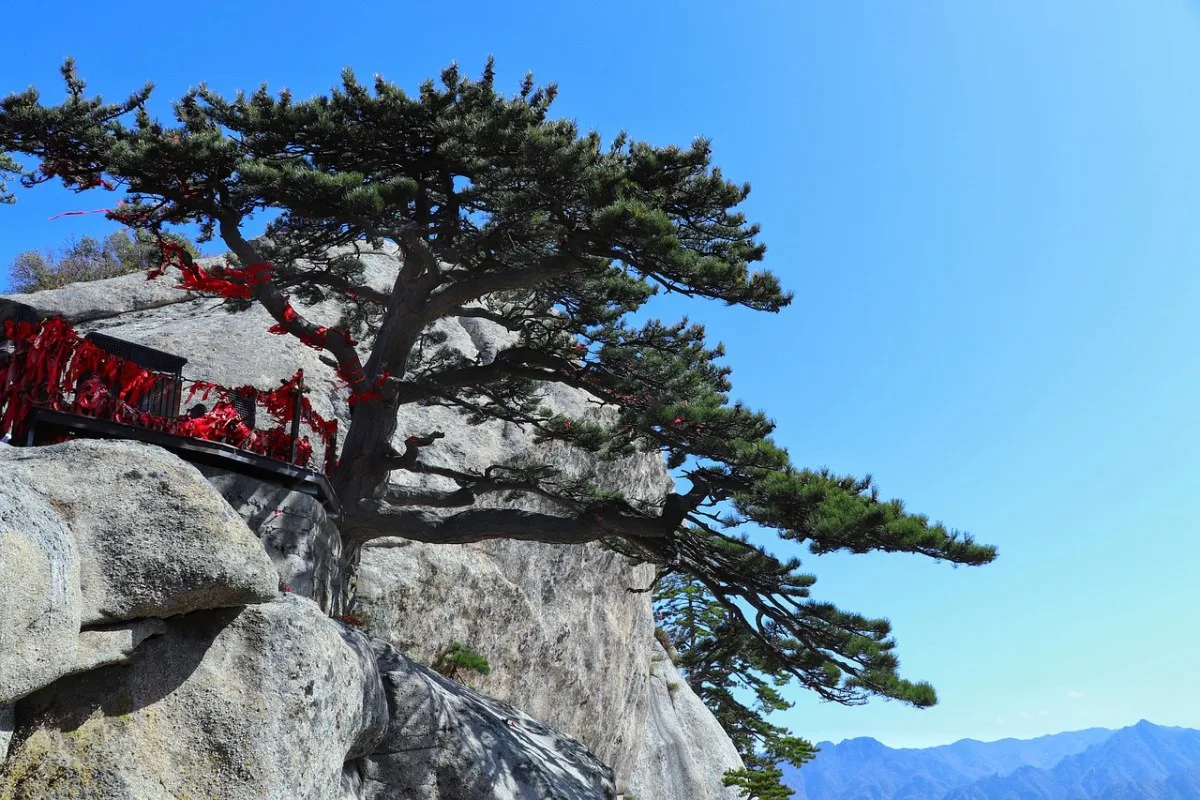
Mount Hua, Shaanxi — 7-8/10 Difficulty
The ridge walks between five peaks involve steep staircases with chain handrails and genuine exposure. The Plank Walk is optional but unforgettable — wooden boards bolted to a vertical cliff face at 2,160m. The traditional Soldier's Route footpath from the base (12km, 1,200m gain) involves near-vertical iron ladders and chain-assisted climbing. Not for anyone with vertigo.
Mount Sanqing, Jiangxi — 6/10 Difficulty
The 3.6km suspended boardwalk wraps around vertical cliff faces at 1,600m. Less physically demanding than Hua, but the psychological factor of walking on a cantilevered path with thousand-meter drops below is real. A great alternative to Huangshan with fewer crowds and equally dramatic scenery.
Tier 4: Multi-Day Treks (Alpine, Remote)
Genuine wilderness experiences requiring proper gear, multiple days, and tolerance for basic accommodation.
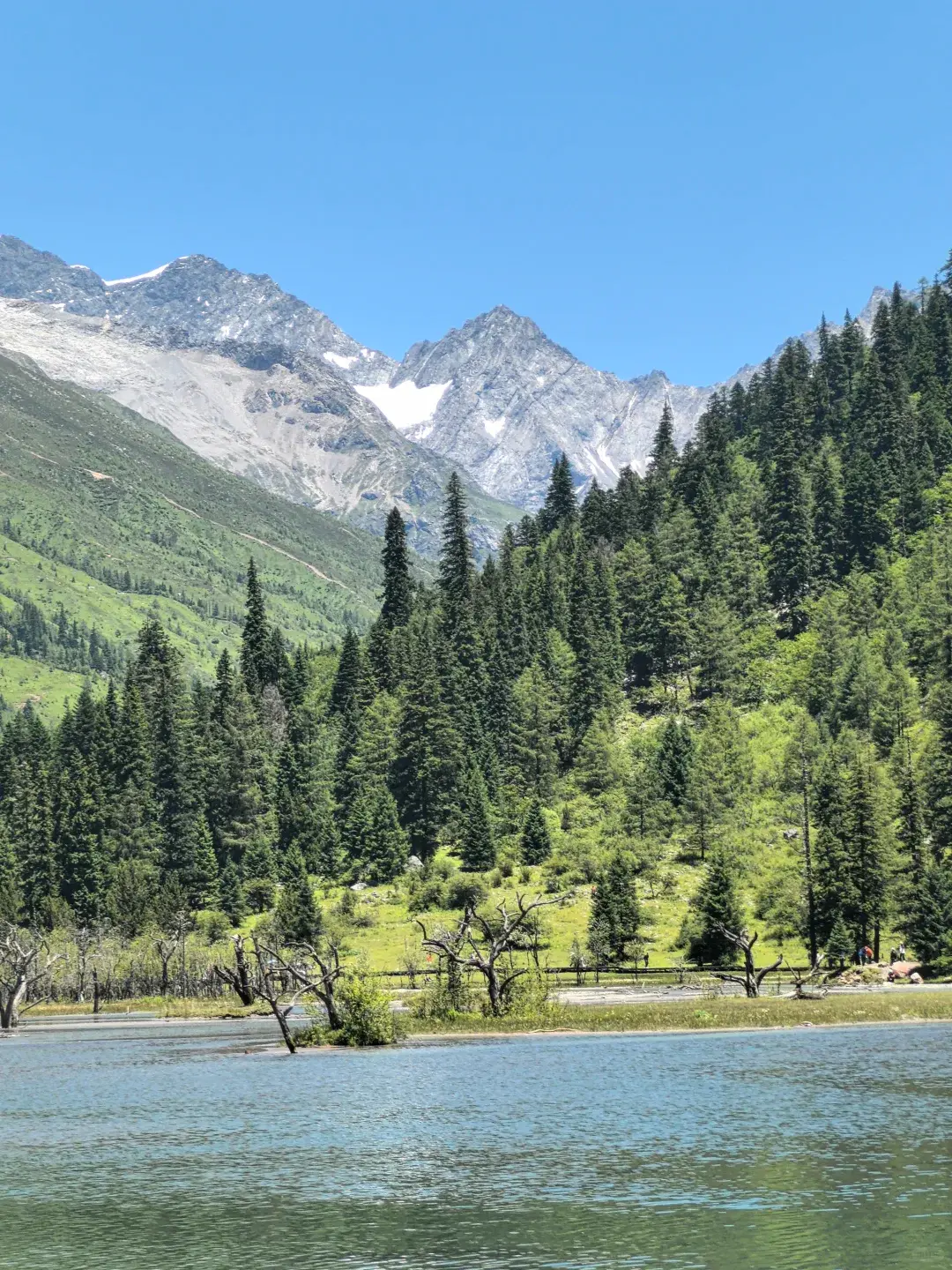
Mount Siguniang, Sichuan — 6-8/10 Difficulty
Three valleys offer everything from paved boardwalks (Shuangqiao) to full-day alpine lake treks above 4,000m (Haizi). Changping Valley is the sweet spot: a full-day hike to a viewpoint directly facing the summit of Yaomei Feng at 6,250m. Altitude is the main challenge — valley floors sit at 3,200-3,800m.
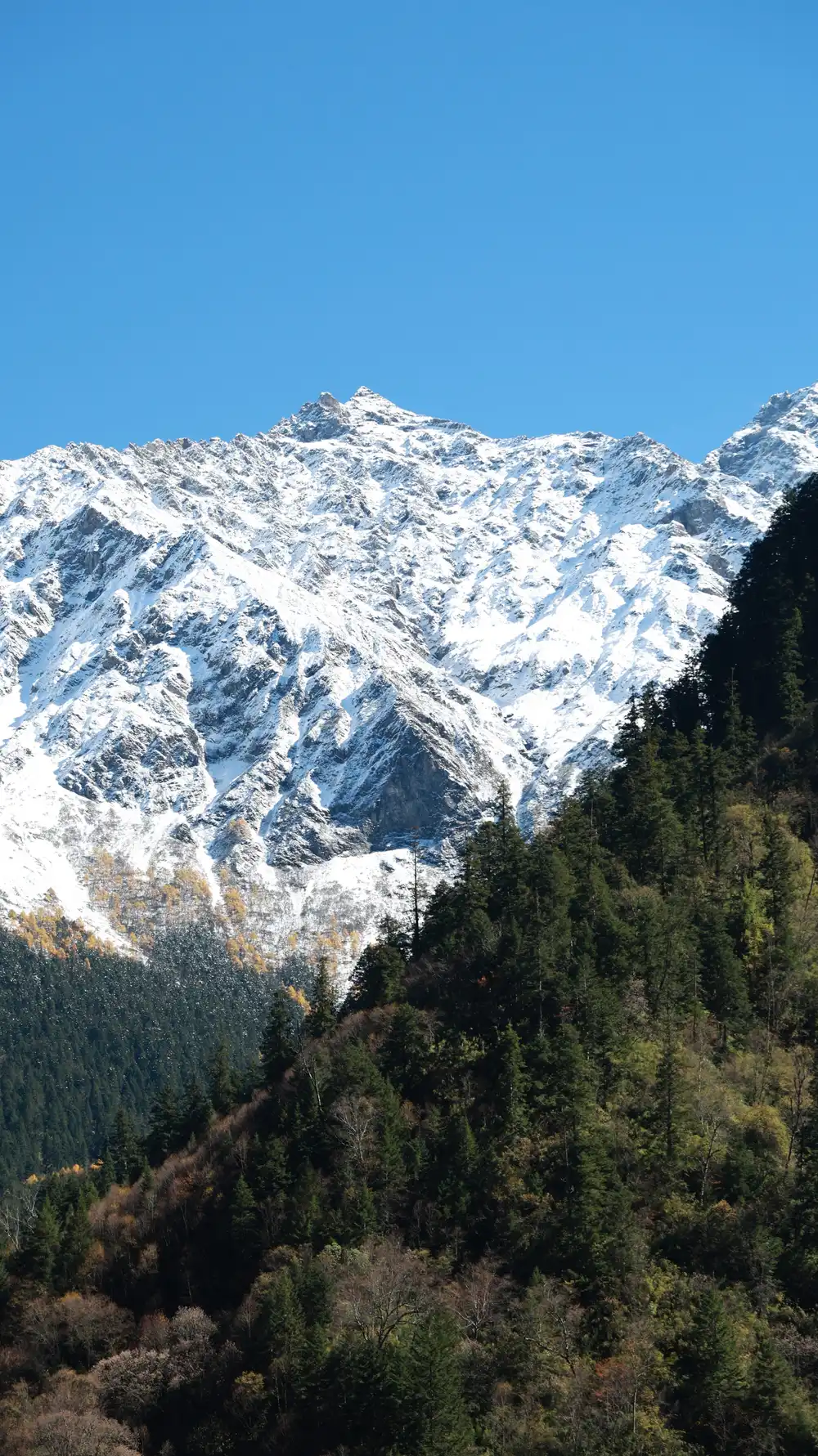
Haba Snow Mountain, Yunnan — 8/10 (glacier + altitude)
A 3-4 day mountaineering expedition to 5,396m. Requires crampons, ice axe, and rope team travel on the glacier, but no technical rock or ice climbing. Summit day involves 1,200m gain over 6-8 hours with a 3 AM alpine start. No prior mountaineering experience needed, but excellent fitness and altitude tolerance are essential. Oxygen at the summit: approximately 50 percent of sea level.
How to Choose the Right Mountain
Be honest about your fitness, comfort with heights, and tolerance for discomfort. A 6,000-step staircase in 30 C heat with 80 percent humidity is harder than it sounds. Altitude sickness does not discriminate by fitness level — marathon runners can be incapacitated at 4,000m while sedentary visitors feel fine. Start with one Tier 1 or 2 mountain. If you enjoy it, work your way up. Every elite mountaineer started somewhere.