Daoist Mountains of China
Daoism, China's indigenous philosophy-turned-religion, has always been drawn to mountains. The Daoist ideal of harmony with nature — 天人合一 (tian ren he yi, "heaven and humanity as one") — finds its purest expression among peaks, where practitioners built temples that seem to grow from the rock itself.
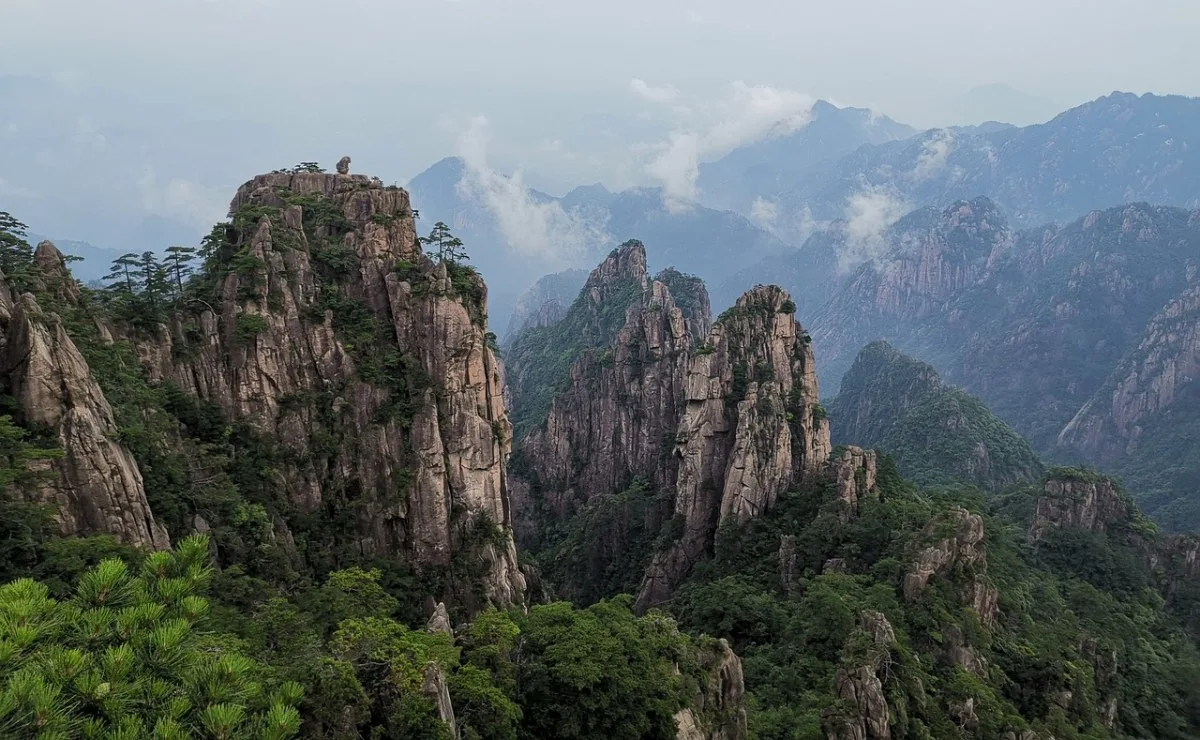
Mount HuangshanHuang Shan
China's most iconic peaks — sea of clouds and granite spires
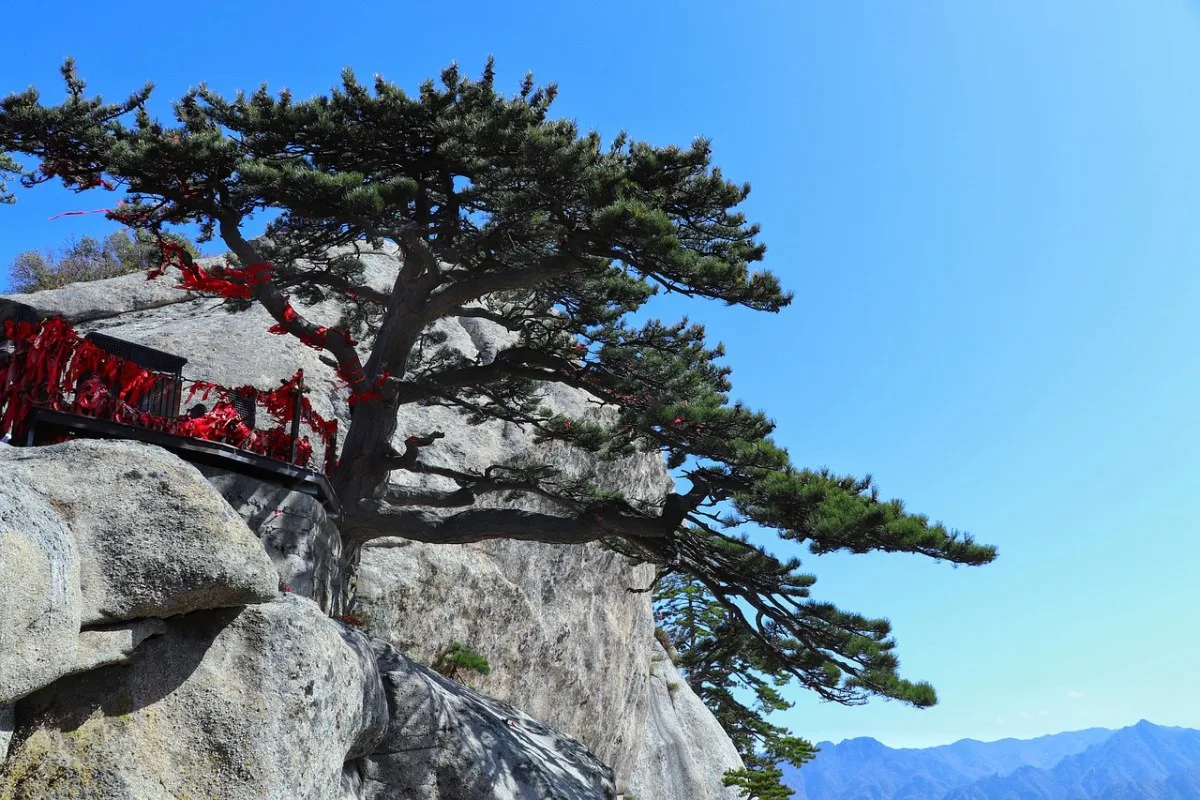
Mount HuaHua Shan
The world's most dangerous hike — plank walks on sheer cliff faces
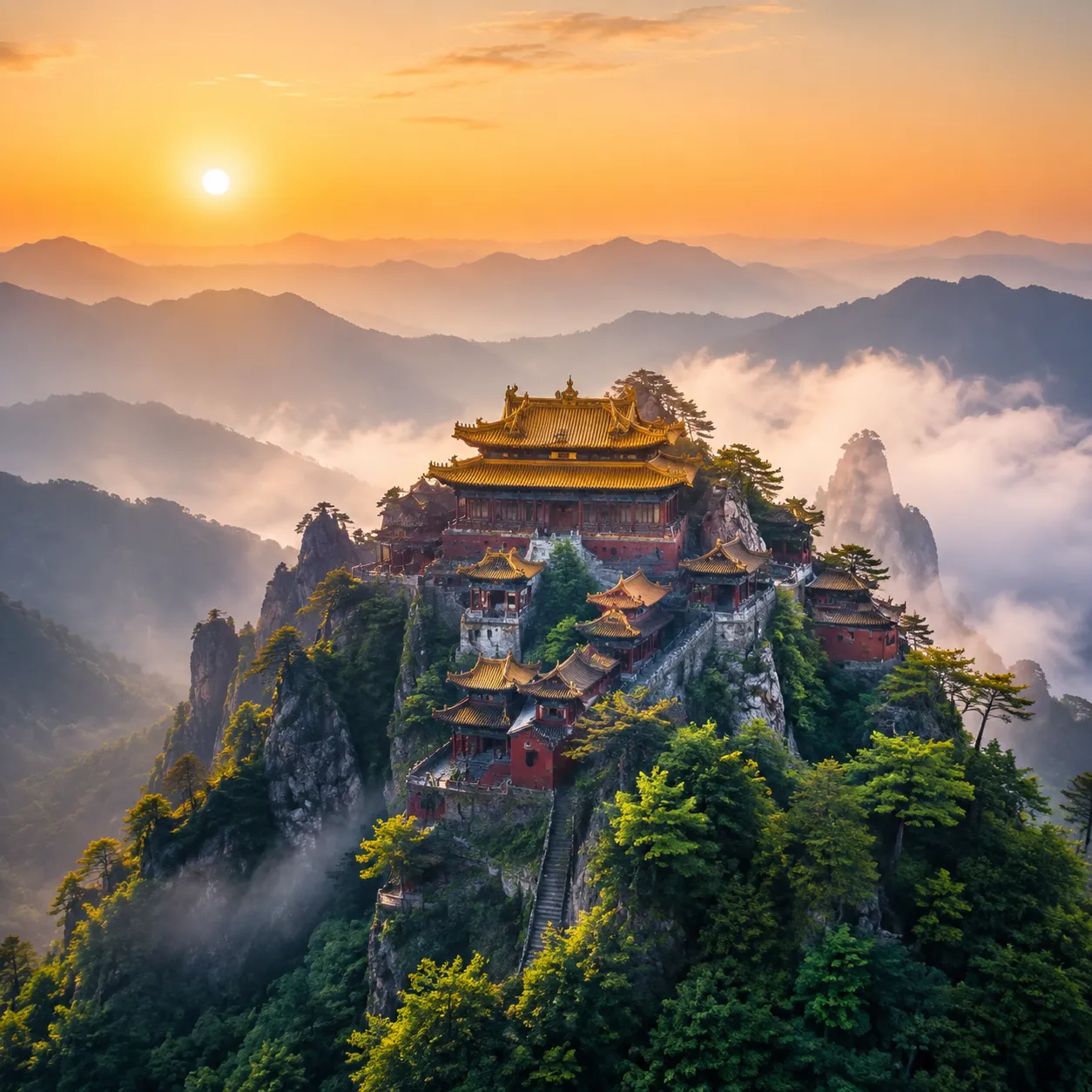
Wudang MountainsWudang Shan
Birthplace of Tai Chi — ancient Daoist temples on misty peaks
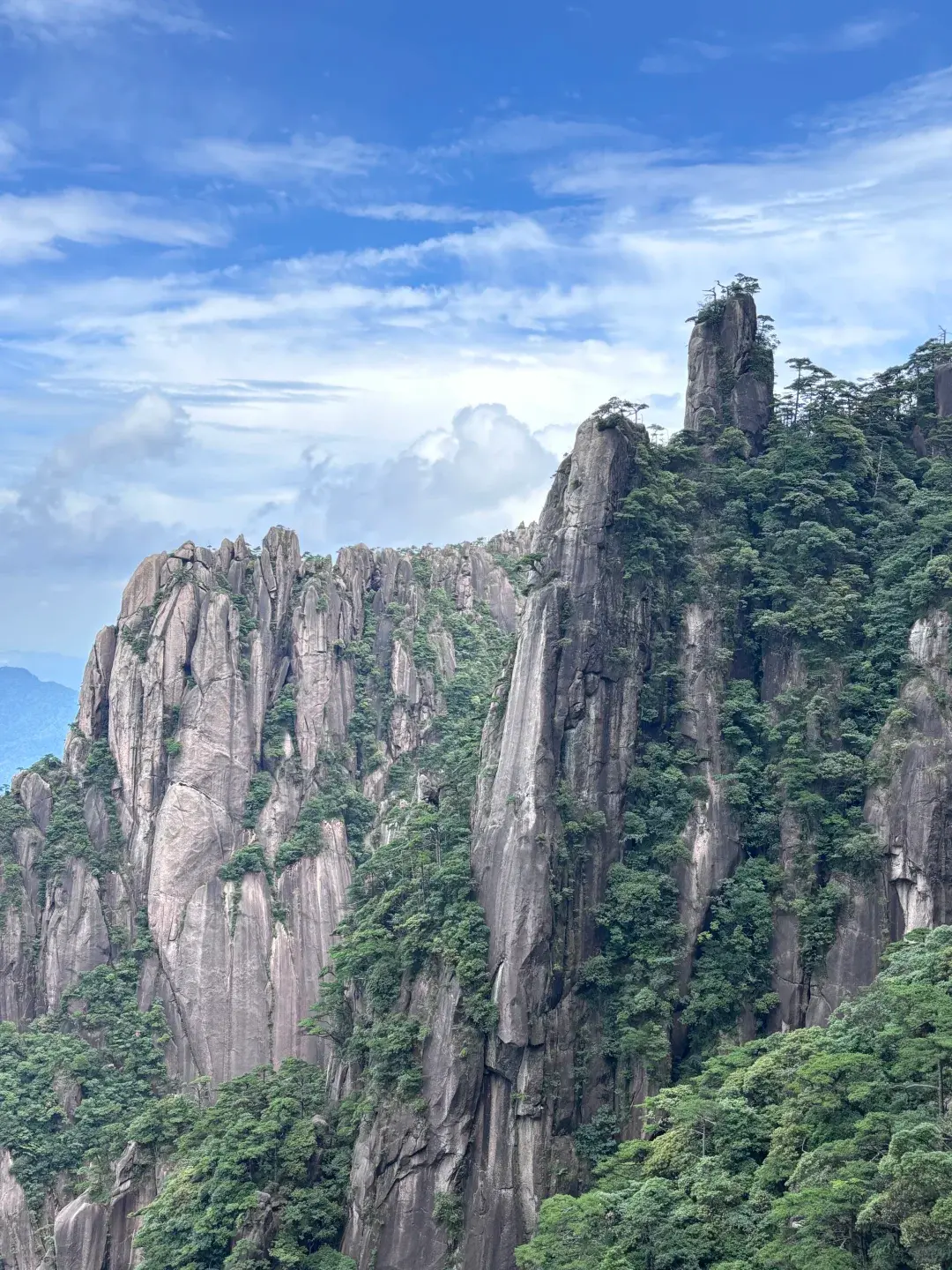
Mount SanqingSanqing Shan
A quieter Huangshan — granite peaks without the crowds
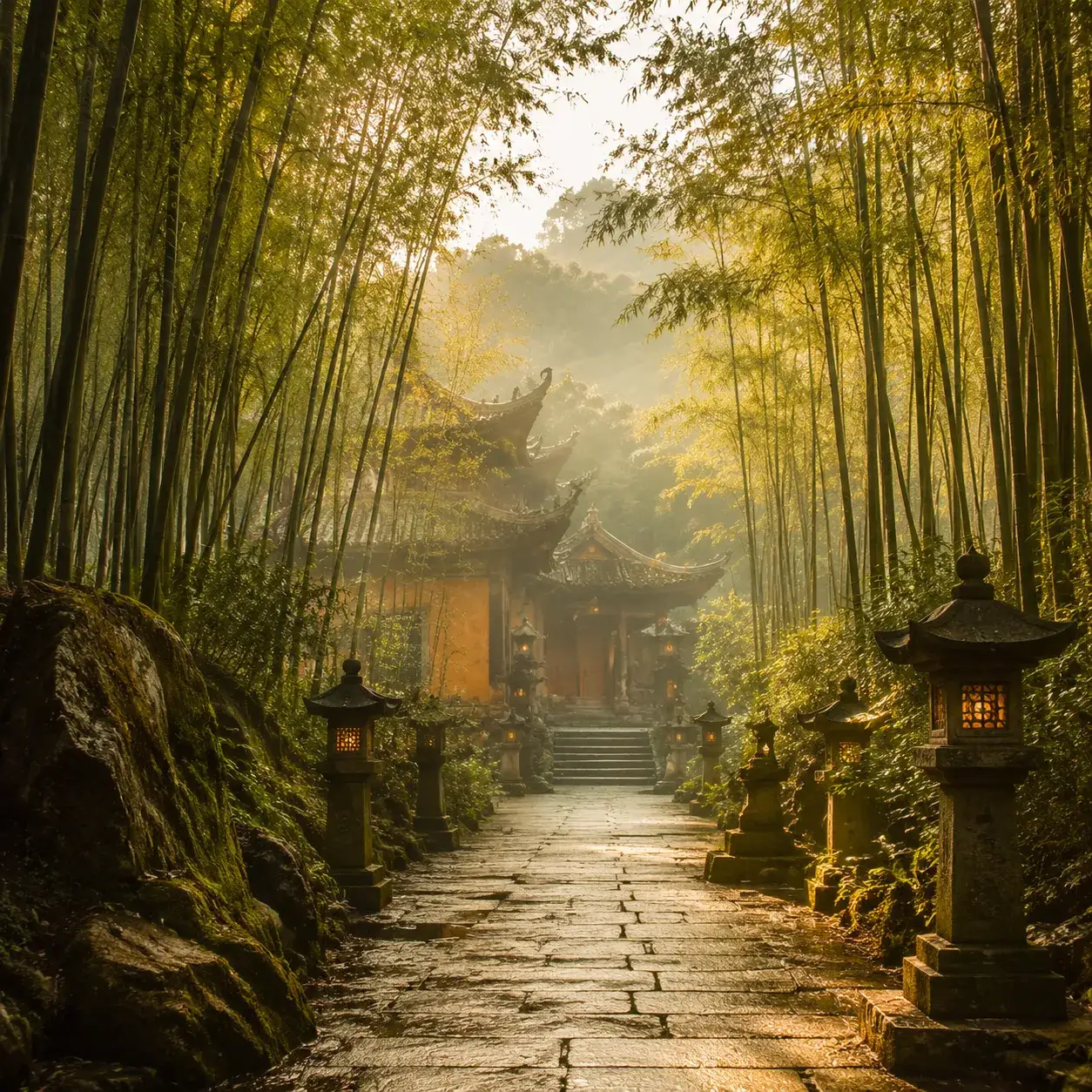
Mount Heng (Hunan)Heng Shan (Hunan)
The Southern Great Mountain, home to 200+ temples and misty forest trails
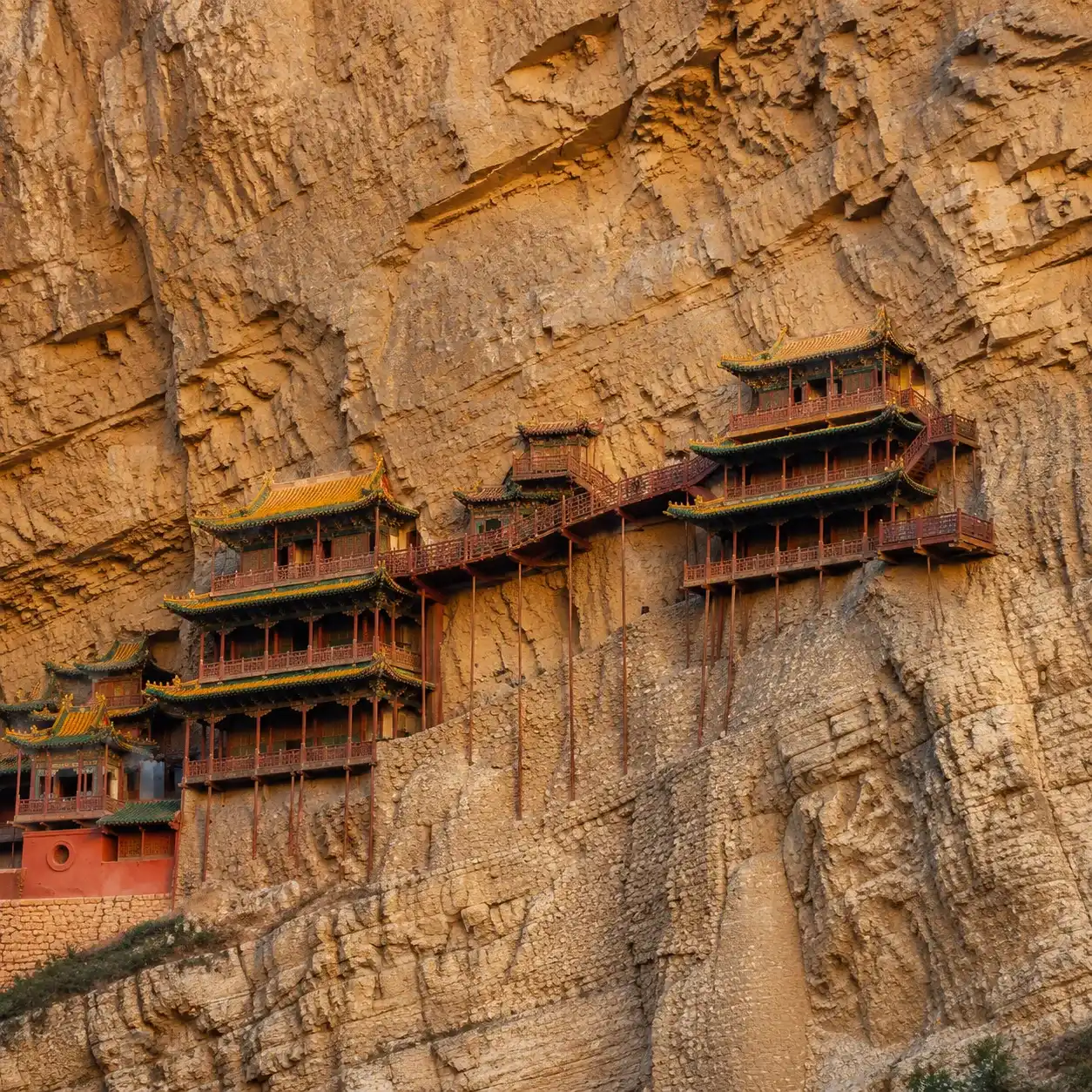
Mount Heng (Shanxi)Heng Shan (Shanxi)
Home to the mind-bending Hanging Temple suspended from a sheer cliff
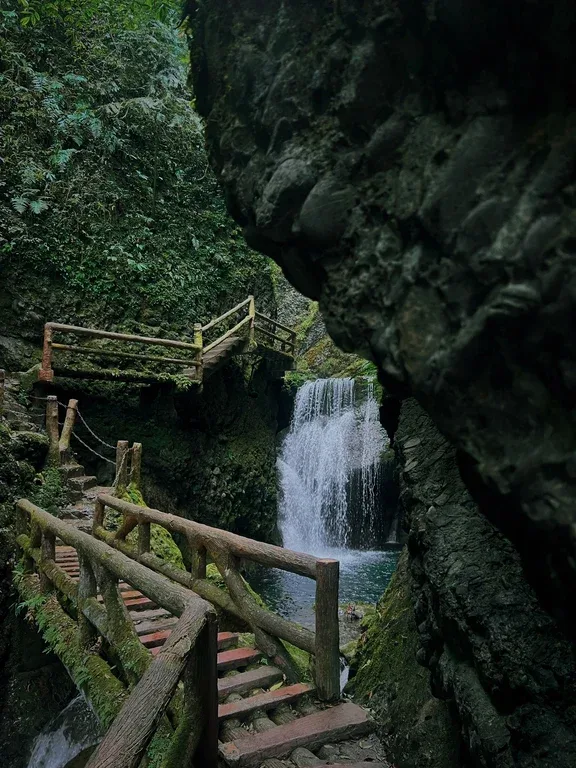
Mount QingchengQing Cheng Shan
The birthplace of Daoism, a deeply tranquil forest mountain near Chengdu
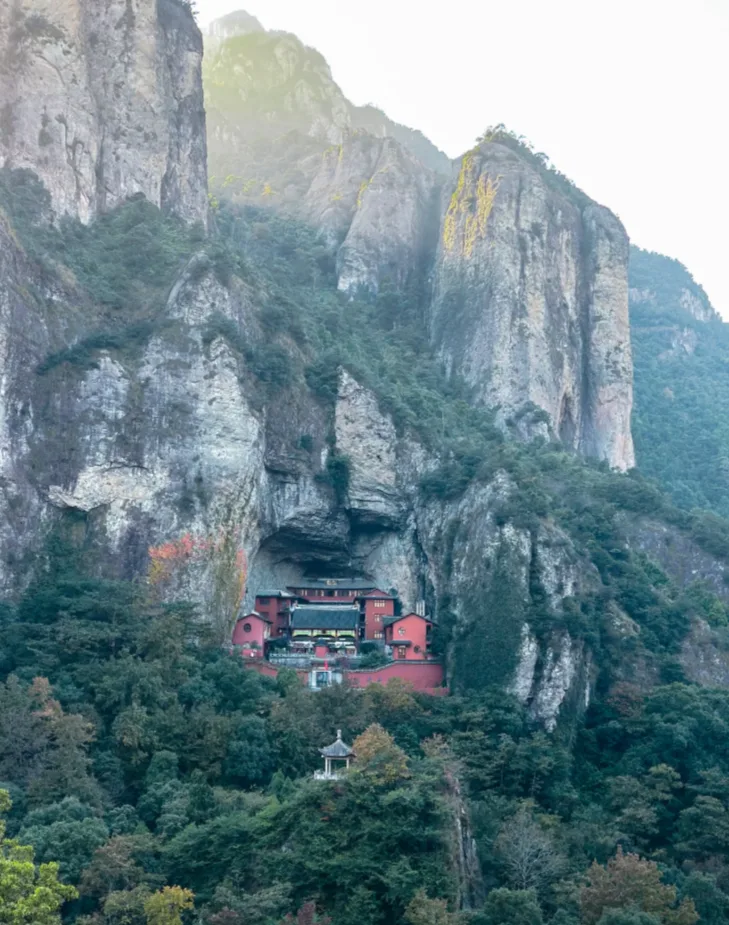
Mount YandangYan Dang Shan
Coastal peaks famous for night scenery moonlight transforms rock into phantom shapes
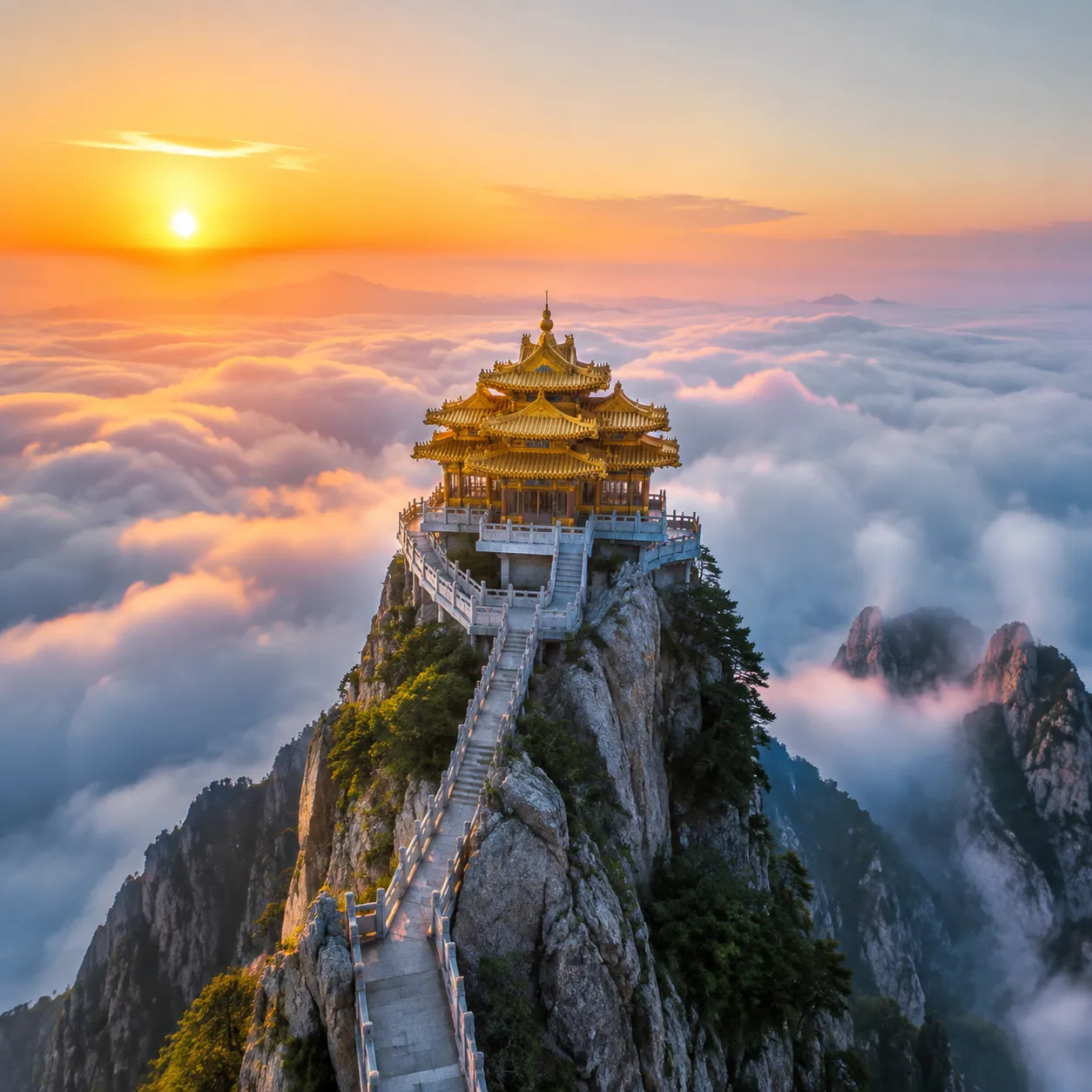
Mount LaojunLao Jun Shan
Daoist temple complex atop a knife-edge ridge above a sea of clouds
The Daoist Mountain Tradition
Daoist mountains are not just scenic backdrops for temples — they are central to Daoist cosmology. Mountains are believed to be the dwelling places of immortals (xian), and their caves and peaks are gateways between the earthly and celestial realms. Daoist temples on mountains are designed to follow the natural contours of the land, embodying the principle of wu wei — effortless action in harmony with nature.
The Most Significant Daoist Mountains
- WudangWudang Mountains — The undisputed center of Daoist martial arts. Birthplace of Tai Chi (Taijiquan). Over 72 peaks with Daoist temples, many built during the Ming dynasty under imperial patronage. UNESCO World Heritage site.
- QingchengMount Qingcheng — One of the birthplaces of Daoism itself. The philosopher Zhang Daoling founded the Way of the Celestial Masters here in 142 AD. Dense forests, winding paths, and ancient pavilions create an atmosphere of profound tranquility.
- HuaMount Hua — One of the Five Great Mountains with deep Daoist roots. Its five peaks are named after Daoist deities, and cliff-side temples seem to defy gravity. The ultimate test of a Daoist's detachment from fear.
- SanqingMount Sanqing — Named after the Three Pure Ones, the highest deities in the Daoist pantheon. Granite pillars, twisted pines, and mist-shrouded temples create a landscape that looks exactly like classical Daoist paintings.
- HuangshanMount Huangshan — While mainly known for scenery, Huangshan has been a Daoist retreat since the Tang dynasty. The mountain's legendary "sea of clouds" embodies the Daoist ideal of form emerging from formlessness.